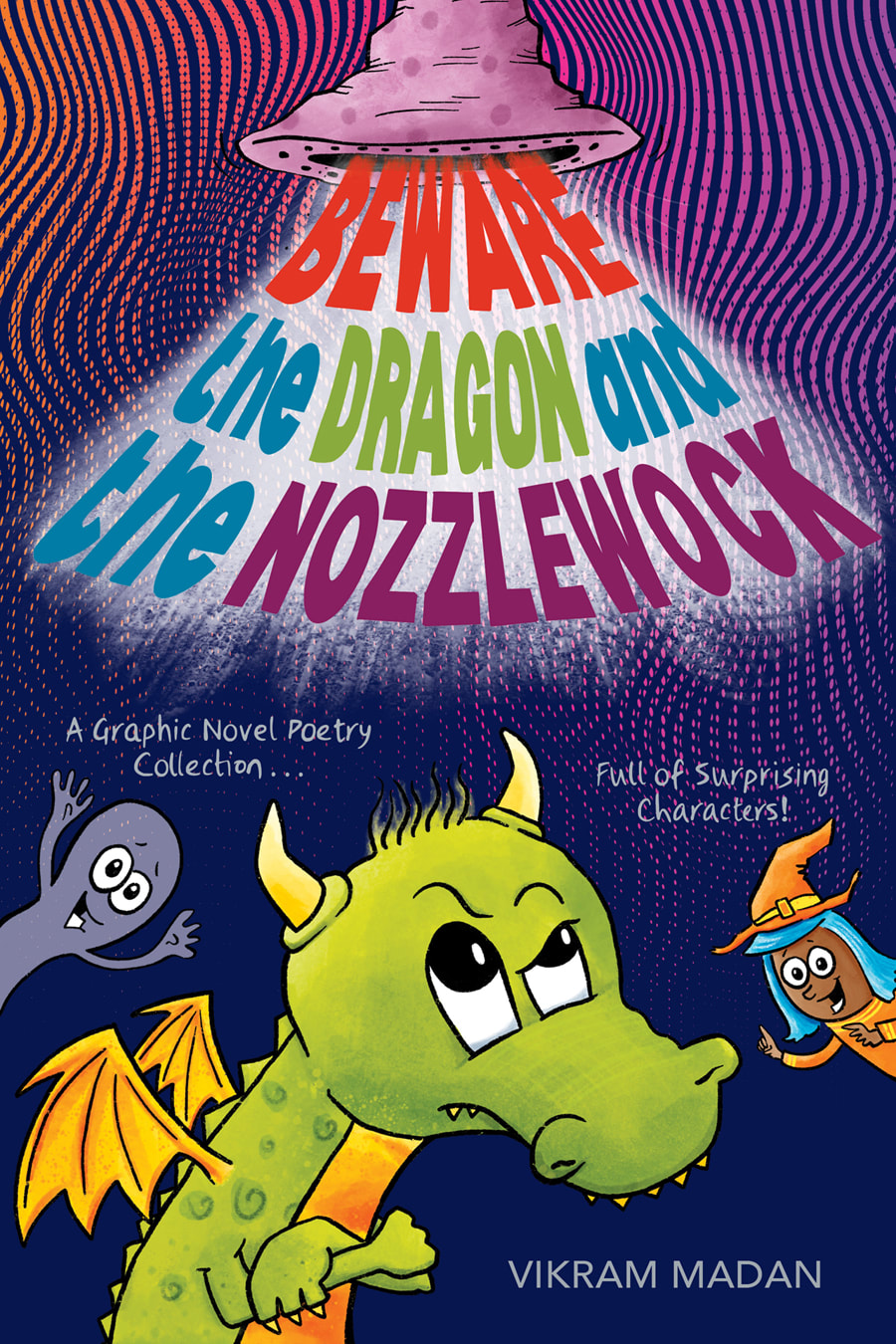
| I am delighted to share that the award committee at the WA Center for the Book has selected BEWARE THE DRAGON AND THE NOZZLEWOCK as one of the Finalists for the 2025 Award, in the Books for Young Readers Category. Many thanks to them for this honor. Never did I think a book I wrote would be an award finalist in my home state. Yay! Congratulations to all the other finalists. See the full list here: https://washingtoncenterforthebook.org/2025-washington-state-book-award-finalists-announced/ |
|
0 Comments
What is a Nozzlewock? And however did I come up with the idea for this creature that headlines my poetry collection BEWARE THE DRAGON AND THE NOZZLEWOCK? Here is the somewhat strange origin story of how the Nozzlewock originated and how it took over the book! Along the way you will get a peek into the creative process, and maybe marvel at how little things turn into bigger things in unexpected ways! My previous poetry book, A HATFUL OF DRAGONS, received a lot of acclaim for being a very visual poetry book. When it was time to conceive a follow-up poetry collection, I proposed making the next one entirely visual, using a graphic-novel format. I created a proof of concept with 3 poems, successfully pitched it to my publisher (Astra/WordSong), and signed a contract to produce a 128-page book of funny poems in a full-color, graphic-novel format. But now I had a problem. I had no content for this new book other than those first 3 poems, no title, no central theme, and no idea what the book was really going to be! The first order of business was to write more poems for the book. But where to start? As many authors know, the tyranny of the blank page is very, very real. I thought back to my book A HATFUL OF DRAGONS for inspiration. One of my personal favorite poems in that book is a poem titled The Flippy Floppy Flappers. (To see the ending of the above poem, track down my HATFUL book). The Flippy Floppy Flapper poem was inspired by two creatures I had once painted into a mural. Back then I had thought the creatures looked so energetic, they deserved a poem of their own. (And that resulting poem is a lot of fun to read out loud - try it!). All creatures in the mural were interpreted from drawings submitted by young children. Here's the one that inspired the Flippy Floppy Flappers: Desperately searching for ideas for new poems, I wondered if there were other poem-worthy creatures in that same mural. In looking at the mural again: One particular character caught my eye: And here is the original drawing that inspired this character. Maybe it was meant to be an elephant, but that's not how I interpreted it back then - instead I saw it as a creature with a trunk or hose on the top of its head. This creature looked interesting. Perhaps it had some kind of suction tube on the top of it's head that could suck things up. If yes, what would it be called? I brainstormed names:
Clearly this creature would be sucking things up with that giant hose. But would it be benign or fearsome? Would you need to be warned about it? What form would that warning take? The thought of 'warning' reminded me of Lewis Carol's Jabberwocky, which has this particular 'warning' stanza in it: “Beware the Jabberwock, my son! The jaws that bite, the claws that catch! Beware the Jubjub bird, and shun The frumious Bandersnatch!” Aha, I thought, I love writing parody poems. Could I write a parody of Jabberwocky for my new book? Especially if I called the creature, not a Nozzlesuck, but a Nozzlewock. With a little tinkering I came up with this: “Beware the Nozzlewock, my child! The nose with super-vacuum strength! Beware its manners—coarse and wild! Beware its titan length!” That looked promising. But to be rendered in comic format, the poem would need to have a ‘narrative’, that is, it must tell a story. What if I could go 'meta', and have a poem which referred to the Nozzlewock-parody poem indirectly? A poem within a poem! And then maybe, while someone is warning about the Nozzlewock, the actual Nozzlewock shows up in the poem itself?!? What if this was a classroom setting, with a teacher instructing students about the Nozzlewock. Something like this: Here you see the teacher's monologue as one poem, and the jabberwocky-parody poem inset on the pages as something the students would be looking at. But when I tested this concept on some trusted readers, it fell flat on its face – no one would figure out a sequence in which to read the poems - the layout was too confusing. So much for my bright idea! But then I realized if I separate the two poems, I would be two poems closer to finishing the book, instead of just one. Hooray! :) So the jabberwocky-parody poem would get its own spread. And how about I illustrate it in the form of a medieval manuscript, thus implying that the Nozzlewock was a creature of old that had been warned about through the ages? This is what the poem looks like in its final form in the book, rendered as a spread from a fictional book titled Ye Olde Book Of Nozzlewocky. BTW it was a lot of fun to emulate a medieval drawing style, with flat faces and weird-looking animals: And then the second poem, I could render in a more modern setting, a present-day classroom that looks like this: I still wanted to go meta, so towards the end of this second poem, the Nozzlewock shows up and basically sucks up the entire setting, including the teacher. Saves me from having to write a proper ending, right? Not so fast. There was no closure in having the teacher disappear up the nozzle. Someone might have to rescue him. Aha! Was that the making of a third poem? I added this illustration to the poem: Later in the book, the kids keep spying the Nozzlewock in action, which only makes them more determined to find a solution. In search of a solution the kids eventually stumble upon that ancient tome, Ye Olde Book of Nozzlewocky: In the book they find the solution they are looking for, which happens to be its own poem – (sorry, not revealing it here, find it in the book!) – and now, oh happy day, I had one more poem for my book! Eventually the kids figure out how to outsmart the Nozzlewock and we have several happy endings. By the time I finished writing the book, the Nozzlewock had became a dominant recurring character in the book and I wondered if I should just call the book ‘NOZZLEWOCKY: And Other Funny Poems’ or maybe ‘THE NOZZLEWOCK: And Other Funny Poems’. My publisher’s team suggested the title BEWARE THE DRAGON AND THE NOZZLEWOCK – they thought the word ‘Nozzlewock’ by itself was too unfamiliar and would be hard for people to search or ask for, whereas Dragons are popular and the combination of a popular term and an unfamiliar term might be more intriguing to prospective readers. And I have to agree, they were right! And if anyone was wondering about the origin of that ancient tome, Ye Olde Book Of Nozzlewocky, look for the answer on the very first page of the book. Look closer: No, even closer: Closer! Yes, it is the Dragon, ancient enemy of the Nozzlewock, who penned that tome!
I now look back and think, if I had never painted that mural, or if that one particular kid had never made that particular sketch of the creature with a trunk on its head, this book would have turned out to be something completely different!! Strange how things come to be, but there you have it. (And if anyone knows the kid who made that drawing, let me know so I can send them a complimentary copy of the book!) Please check out BEWARE THE DRAGON AND THE NOZZLEWOCK if you haven't already. It should be available in all book channels, and you can also ask your local library to add it to their collection. If you have already read the book, do please consider leaving a positive review online (Goodreads or Amazon). Previous Nozzlewocky blog posts: BEWARE THE DRAGON AND THE NOZZLEWOCK is an unconventional book by any sense. The tagline for the book says ‘A Graphic Novel Poetry Collection Full of Surprising Characters’. Mathematically speaking, (funny poems) x (comics) x (surprising characters) = (fun)CUBED My entire childhood was spent reading comics. Even my earliest introduction to classic literature (e.g. Count of Monte Cristo, Black Beauty, Robinson Crusoe…) was in a graphic novel format. If only I could have explained to my parents then that “reading too many comics” was helping me to improve my comprehension and vocabulary, develop my critical thinking skills, learn how to process multi-modal information and interpret complex narratives, and spark my overall creativity! My previous poetry collection book, A HATFUL OF DRAGONS, received a lot of praise for being very visual. For NOZZLEWOCK I decided to go all in and make the entire book in comic format – except I also decided to have fun by ‘breaking the rules’ of the very same comic format. My hope was that not only would this create delightful unexpected surprises for readers, but would also show kids that you don’t have to follow convention just for the sake of following convention, and maybe challenge them to question assumptions every now and then. The following are a few examples of ‘breaking the rules’. Example 1: Drawing outside the lines. In the image above, the ghosts are ‘escaping’ the panel boundaries, and you can see a trace of the panel edge through their translucent bodies. Having a panel doesn’t mean the content must stay confined within it! Later when the roles are reversed, the ghosts are the ones confined to the panel, but not the blue-haired girl. The panel boundaries have now become a visual metaphor for the narrative! Example 2: Using the Comic Panel Itself as Content In the visual above, the panel is part of the narrative: the fiery super-hero has managed to set the panel on fire and melt away the edge! Example 3: The Physical Page As An Extended Surface In the poem below, we have “A dozen squids all leaking ink”. That leaked ink has to go somewhere, right? Well, why not all over the physical page itself?!? The mess adds to the messy nature of the poem! Example 4: Non-Linear Jumps in the Narrative Everyone has heard of time travel, time loops, and time paradoxes. But what happens if, instead of jumping through time the protagonist jumps through the panels of the comic? You may have to read ‘The Panel-Porter’ poem a few times to figure out exactly what is going on, but when you do, you will be very pleased with yourself! Example 5: Mixing Formats Concrete Poems are a popular form of poetry where the words themselves are shaped to help visualize the poem. Would concrete poetry belong in a comic-format book? Imagine the bewilderment of these two visual characters when they encounter an unexpected concrete poem. It creates a surreal ‘meta’ moment where the characters can question the nature of their book versus other poetry books! Example 6: Panel Sequences We are used to reading comic panels sequentially. But what if the creators of the book make a mistake and jumble up all the panels so they are out of order? This happens in the poem titled ‘T.T.T.S.U.I.T.M’ – readers are asked to find the right reading sequence themselves. But wait, there are only TWENTY TRILLION possibilities to wade through! (Please be patient with your young reader as they work through this problem)! Example 7: Blurring The Boundaries Between Physical Pages The following is one of my favorite sequences from the book. The kids have a problem they must solve using their senses and their wits. They smell the smoke. (Where’s that smoke coming from?) They feel something hot underneath the page. (The page is hot?!?) They cut through the page. (They cut through the page?!?). They find what they need. (What’s on the other side of the page?!?) Note: the kids wouldn’t have cut the page if they hadn’t smelled the smoke. But they wouldn’t have smelled the smoke if they hadn’t cut the page. (Perhaps this narrative will serve as a great segway for future philosophical discussions about the nature of ‘free will’?) Anyway, here’s what’s on the next page – a completely independent poem about a Phoenix! Note the cuts on the left (through which smoke is exiting) and the hand that came in to grab a feather!
I hope you enjoyed this brief visual peek into BEWARE THE DRAGON AND THE NOZZLEWOCK. Between the comics and the poems, there is enough visual and literary fun to engage all young readers and have them re-reading the book repeatedly. Kirkus Reviews labels the book as “Juicy, joyful, and just right for reading aloud!”. Booklist’s recommendation is to “Hand this to any kid, even the poetry-reluctant, who are looking for a laugh.” School Library Journal describes it as “A delightfully eccentric and quirky collection of poetry”. Librarian Betsy Bird thinks this is “One of the finest, funniest poetry books you’ll have encountered in a long time.” I hope you will have a chance to check out this book. Trust me, you will be surprised! 😊 ---- Note: This blog post previously appeared on the Nerdy Book Club website in November 2024. BEWARE THE DRAGON AND THE NOZZLEWOCK is not even out yet and already on multiple Best Book of the Year lists:
In addition, Kirkus Reviews has selected the book as one of 20 Best November Books for Young Readers! This, in addition to the starred review it received earlier from Kirkus. Hope you'll have a chance to check this book out. You won't be disappointed!
Noted reviewer Kirkus Reviews is giving my upcoming poetry book a Starred Review! This is a rare honor that Kirkus only bestows on books it thinks are exceptional. Books with starred reviews usually end up on their Best Book of the Year lists and become eligible for consideration for the Kirkus Book Prize. Read the full review here: www.kirkusreviews.com/book-reviews/vikram-madan/beware-the-dragon-and-the-nozzlewock/
Announcing my next poetry collection BEWARE THE DRAGON AND THE NOZZLEWOCK: A Graphic Novel Poetry Collection Full Of Surprising Characters - which will be releasing in Nov 2024. I have been working on this book since 2021 and am very excited because not only is it a collection of funny poems, but it is also a full-color 128-page Graphic Novel! It can already be preordered from everywhere books are sold. Learn more here.
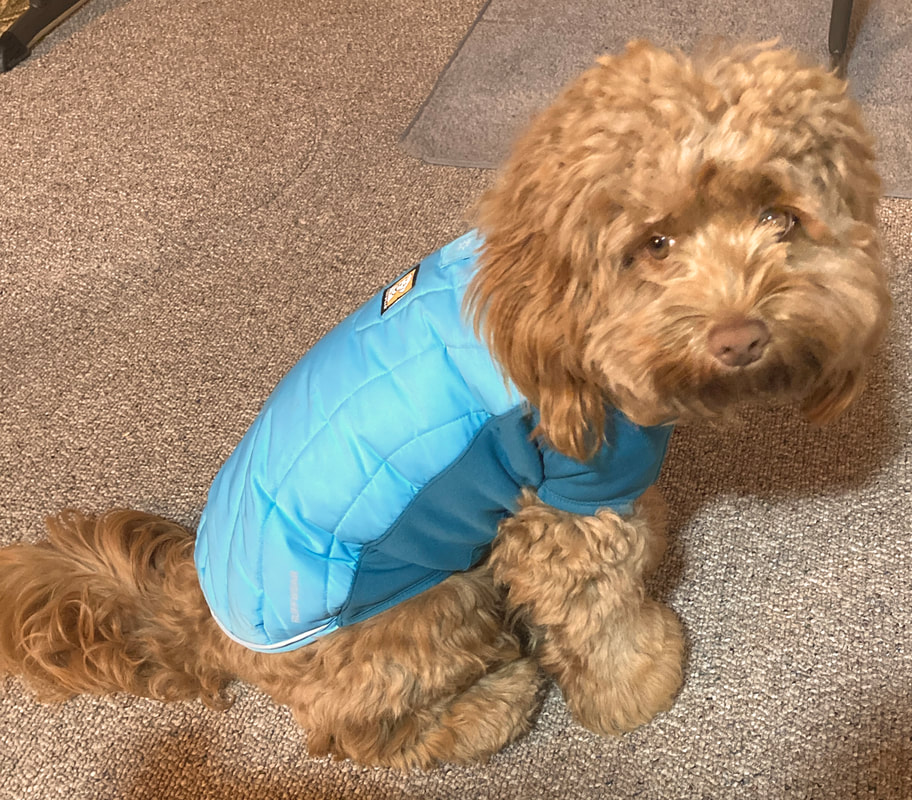
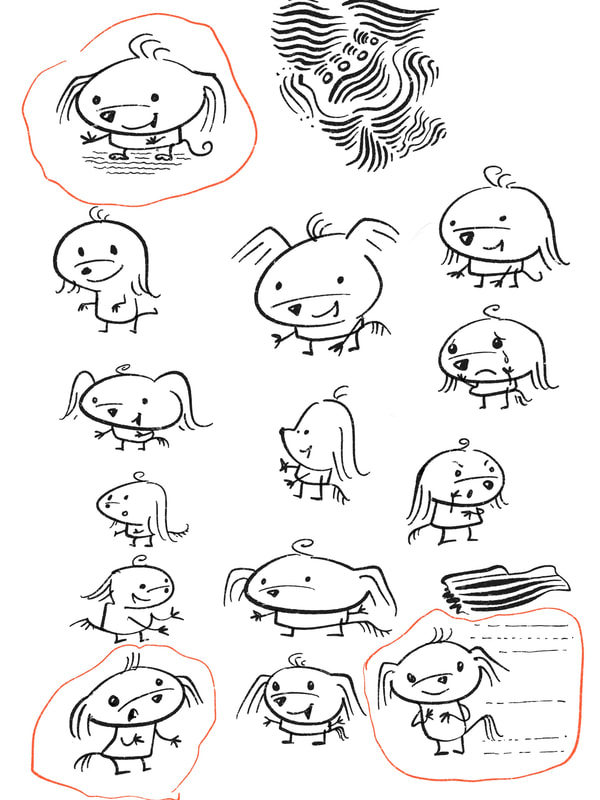
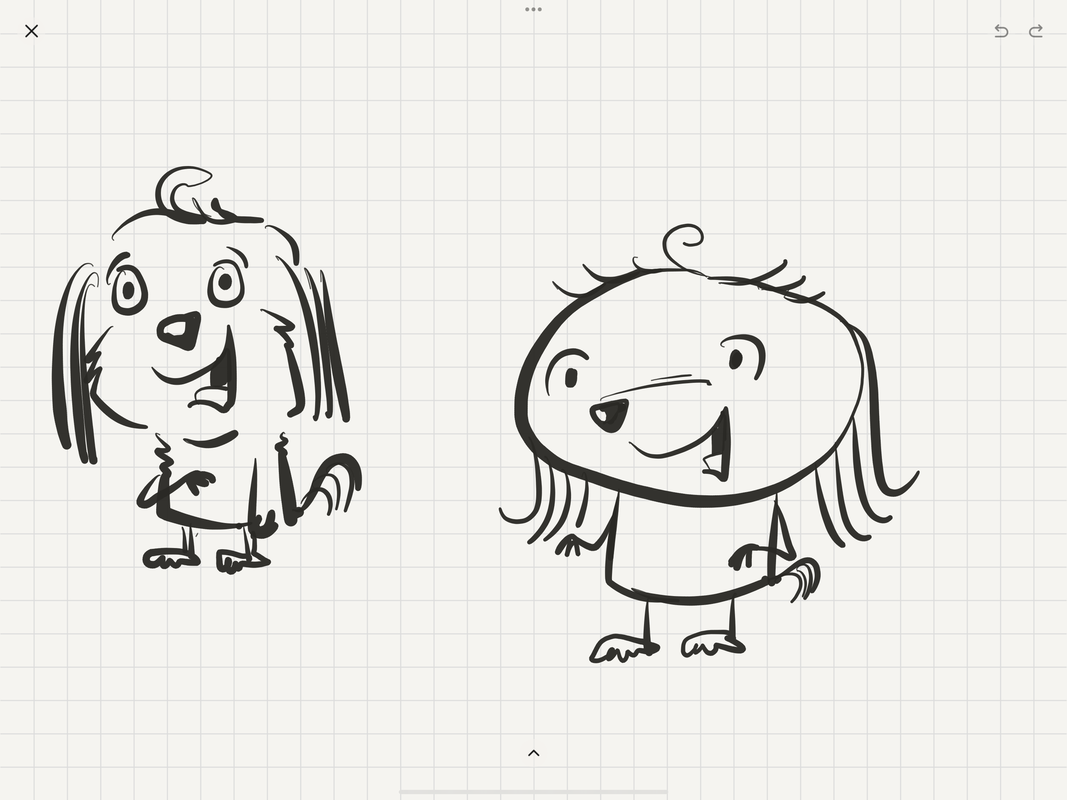
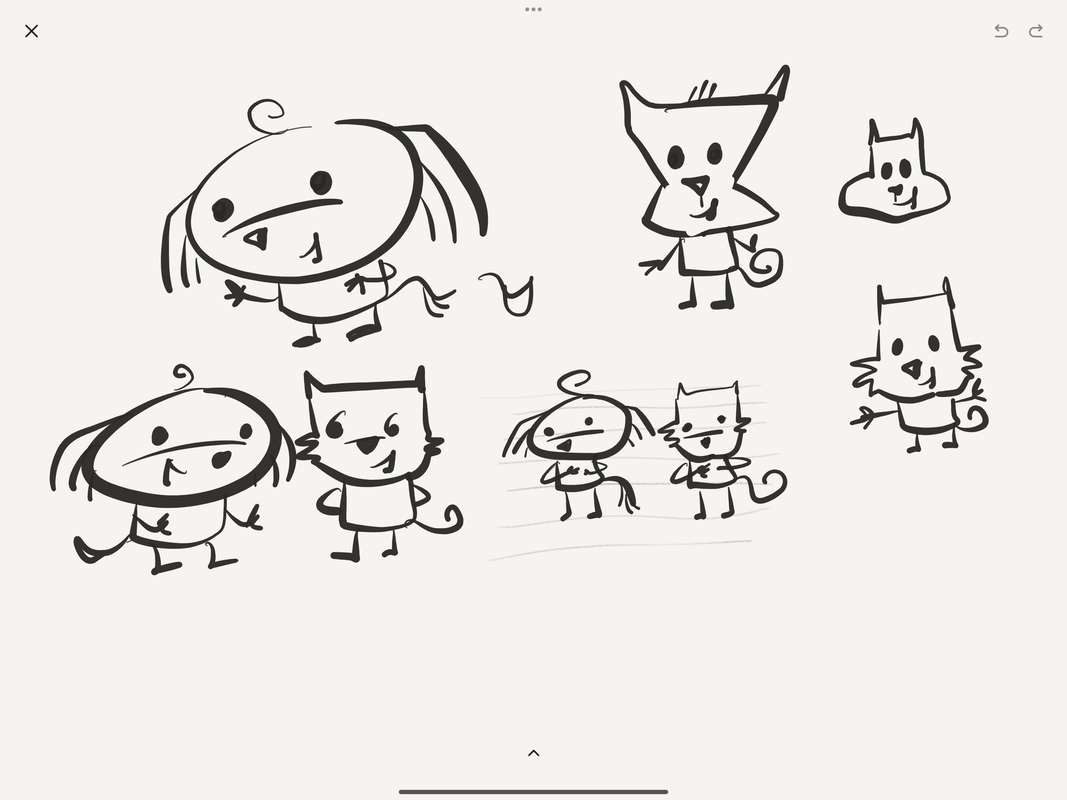
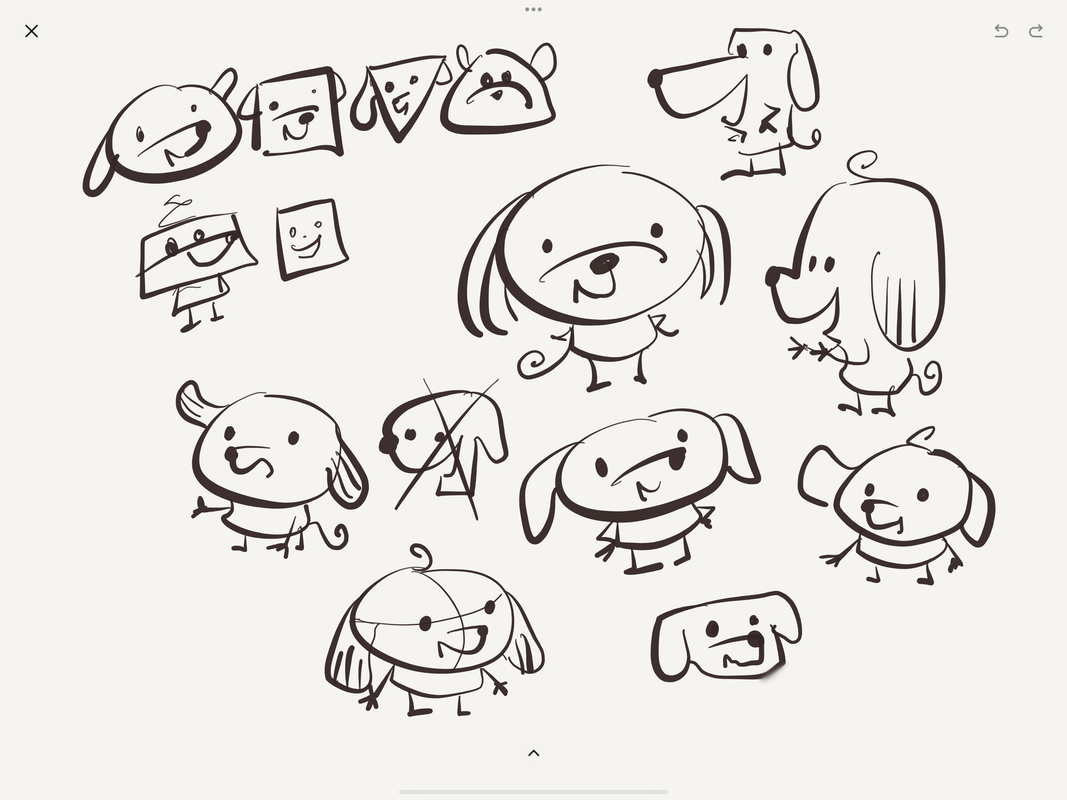
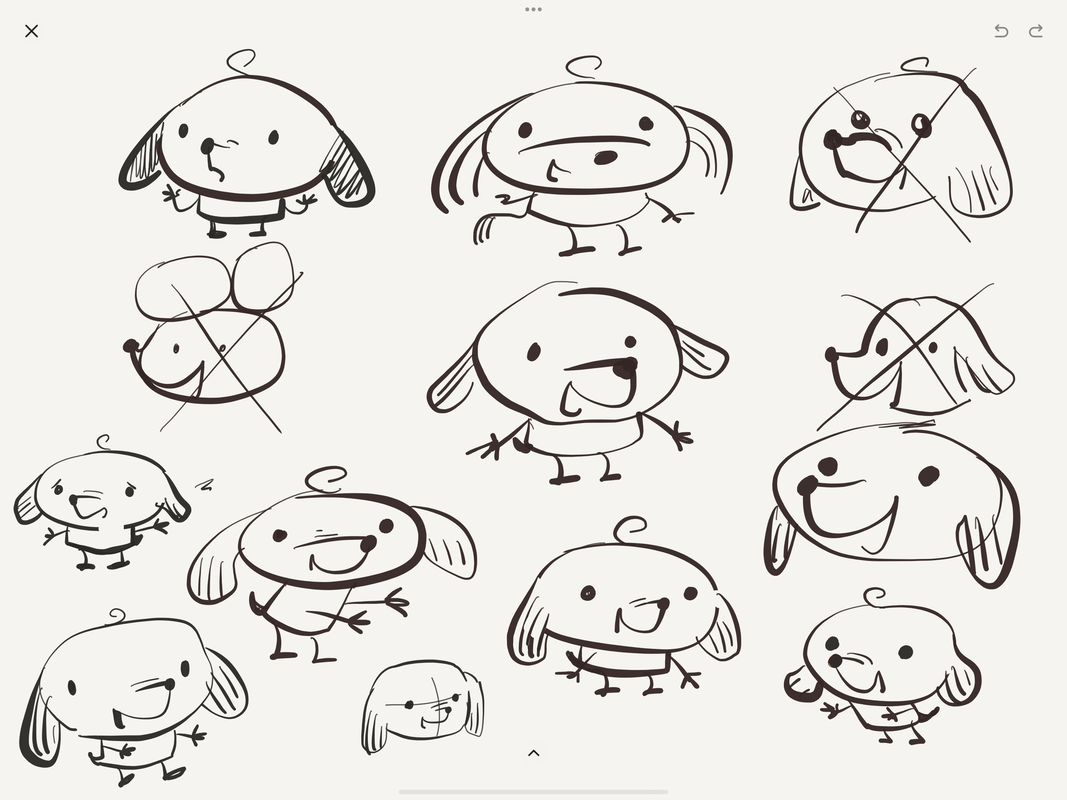
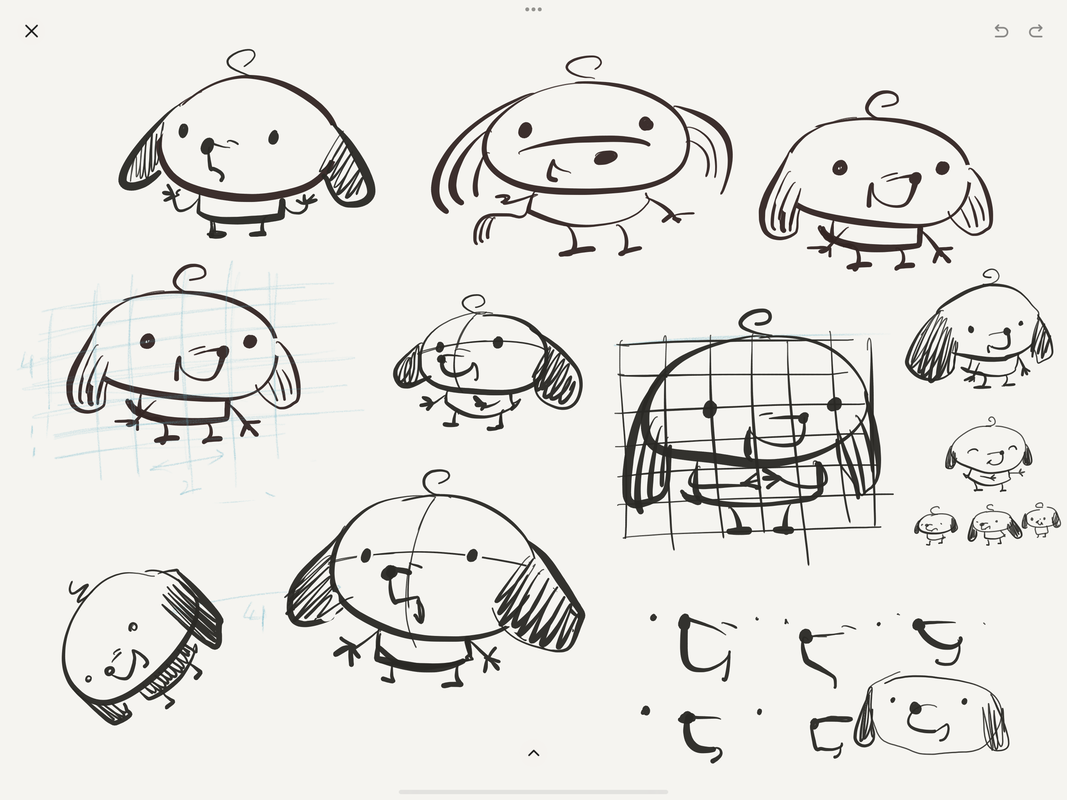
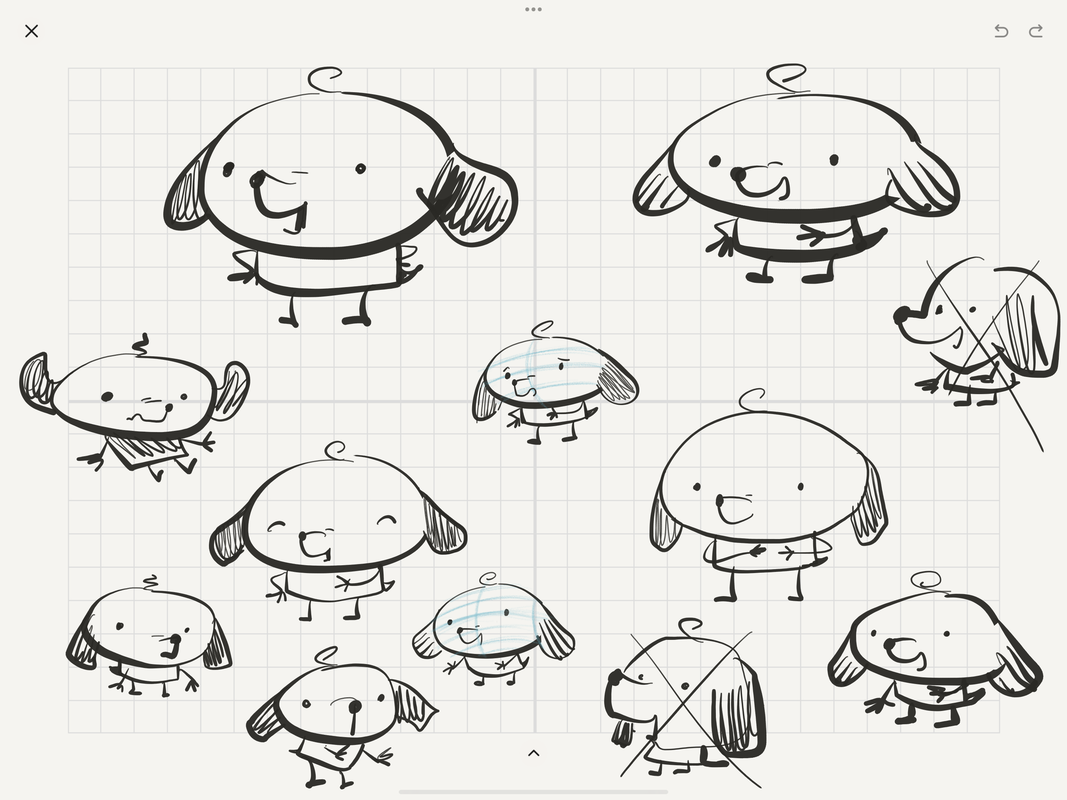
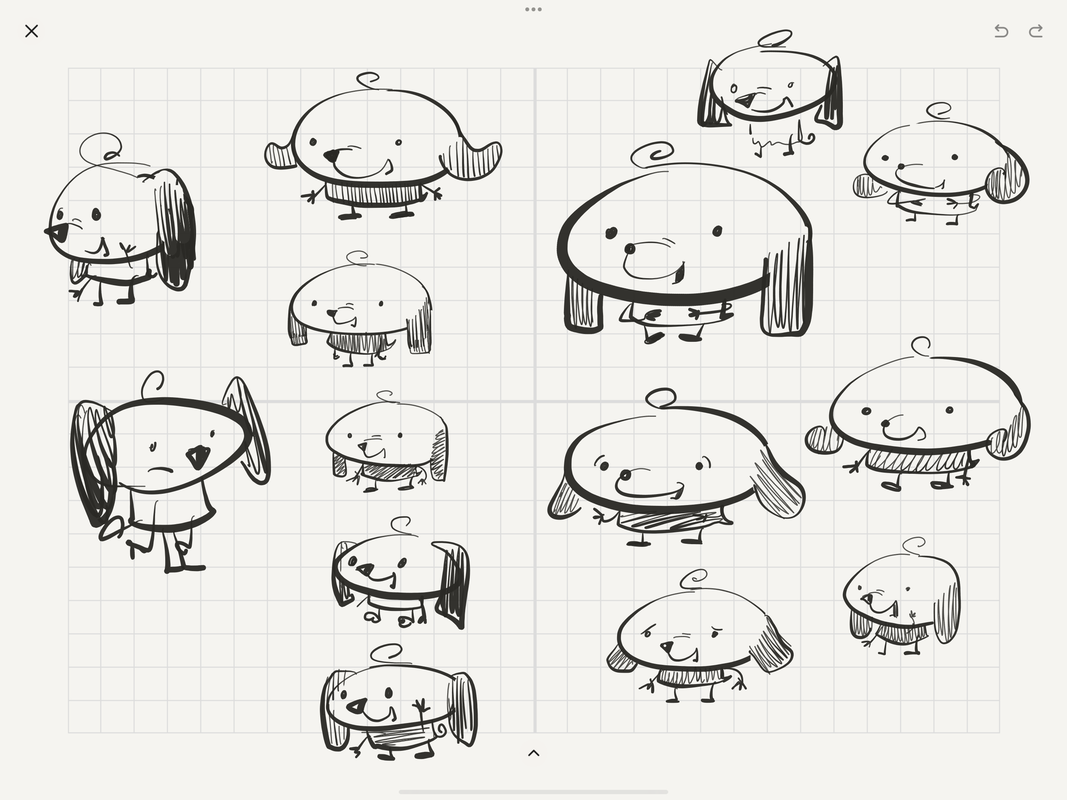
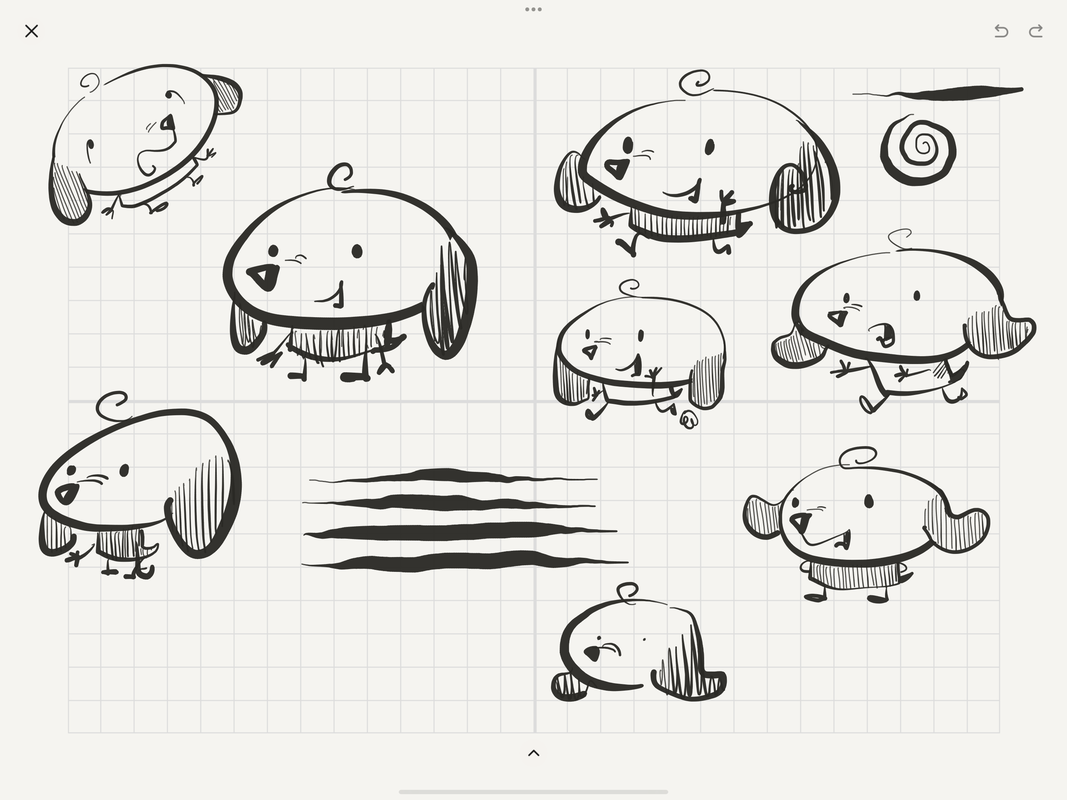
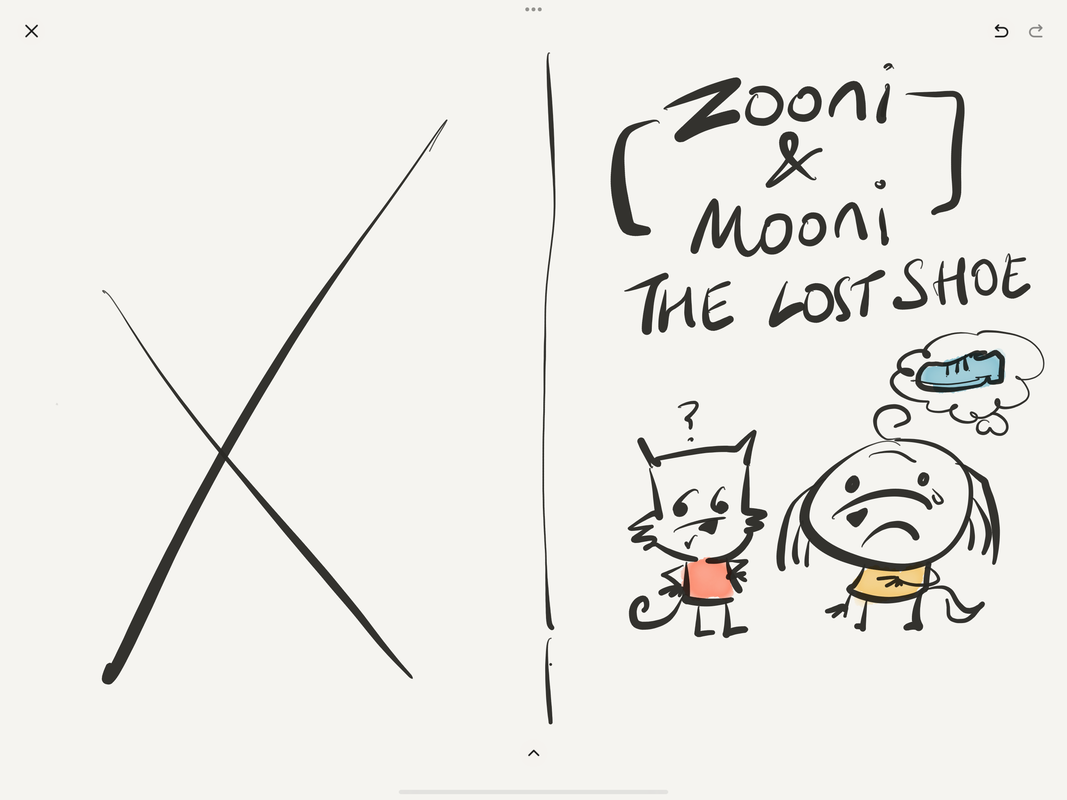
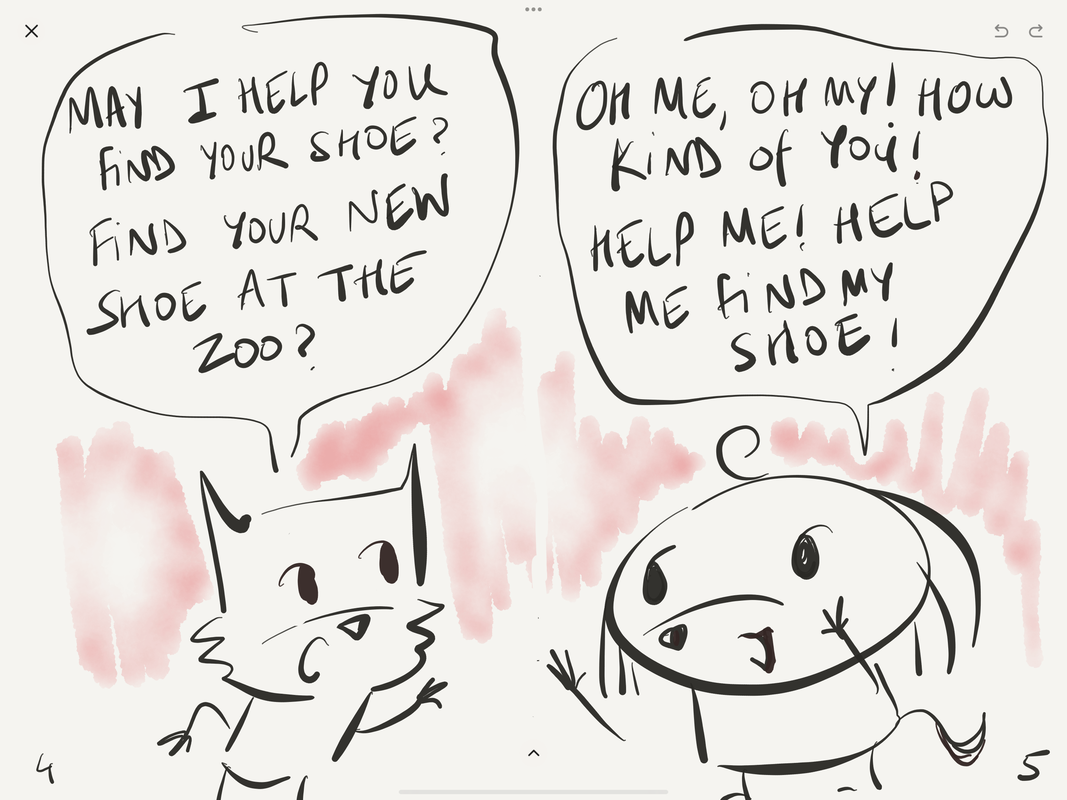
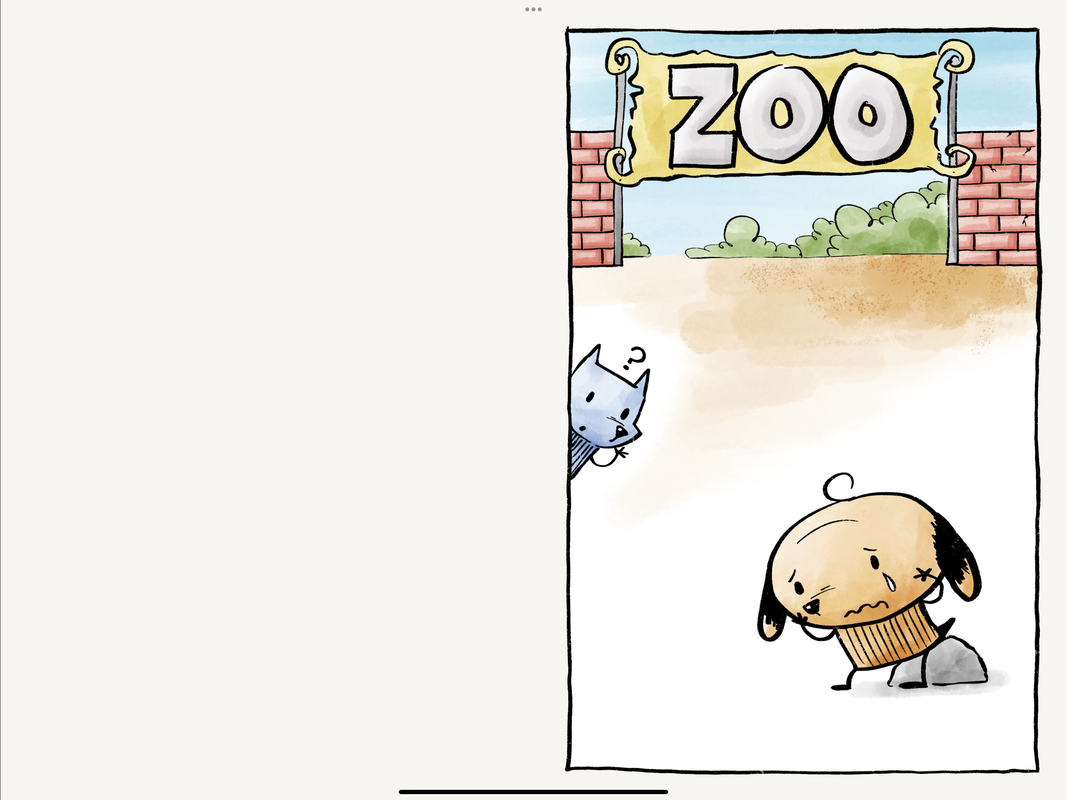
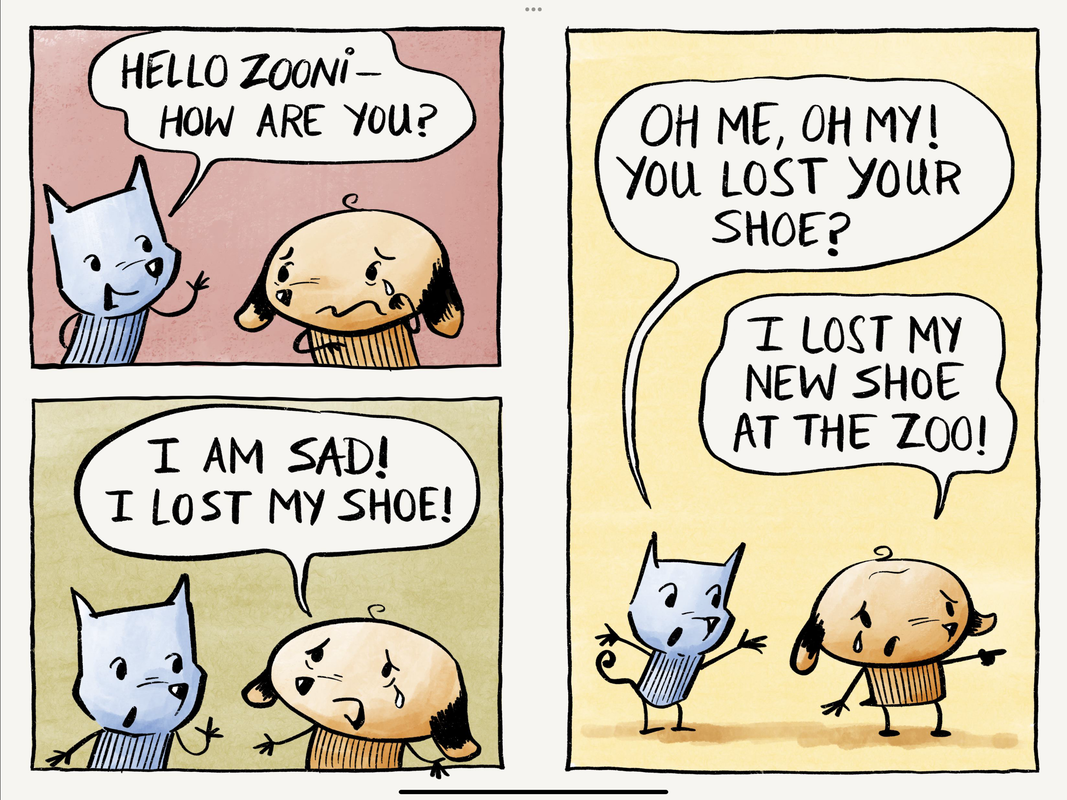
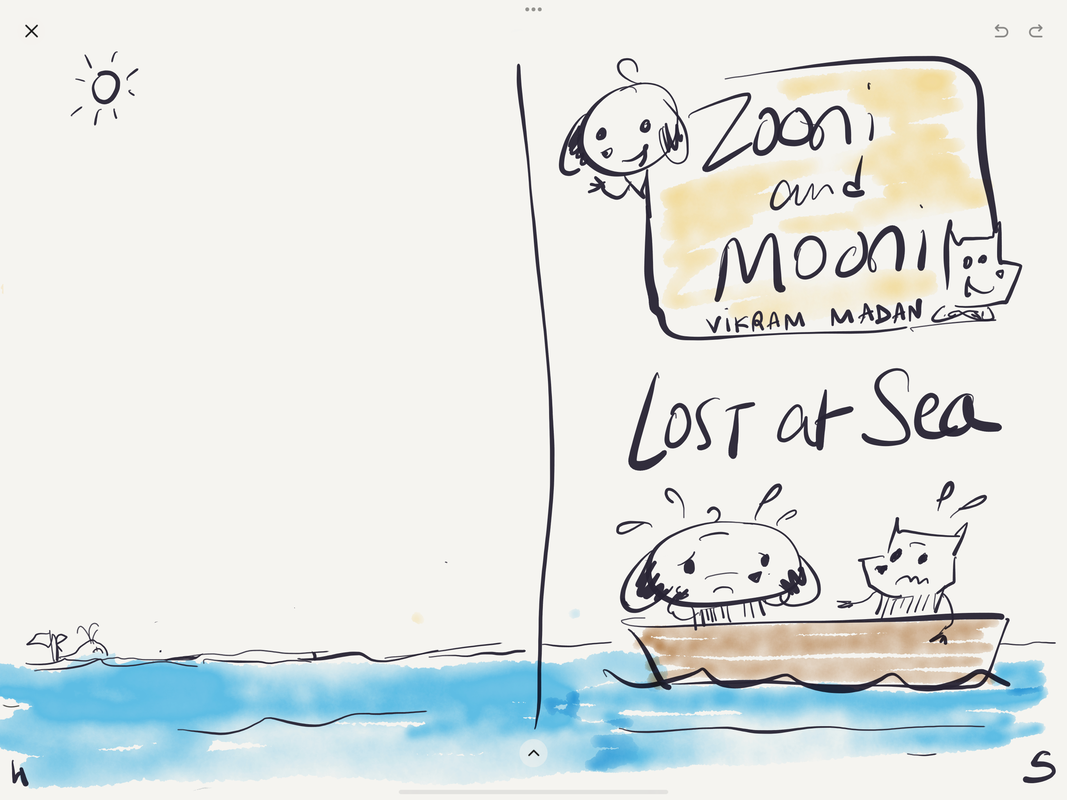
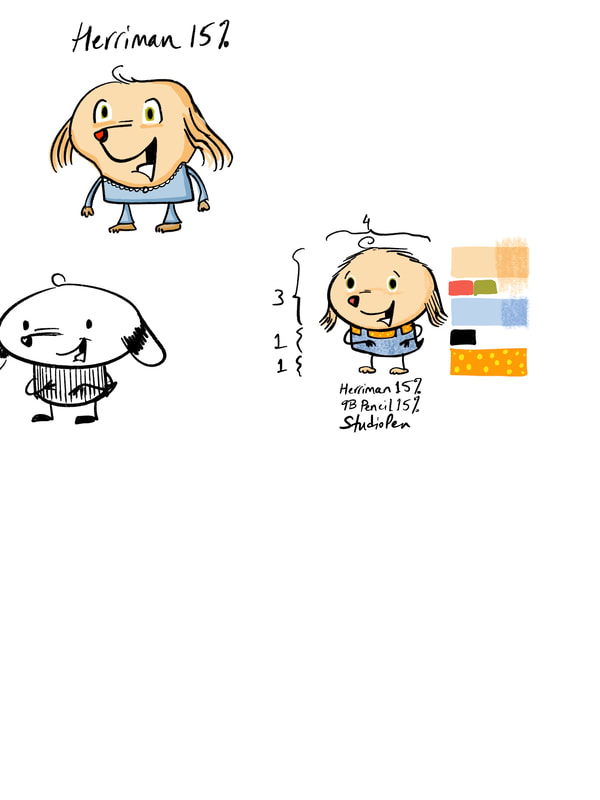
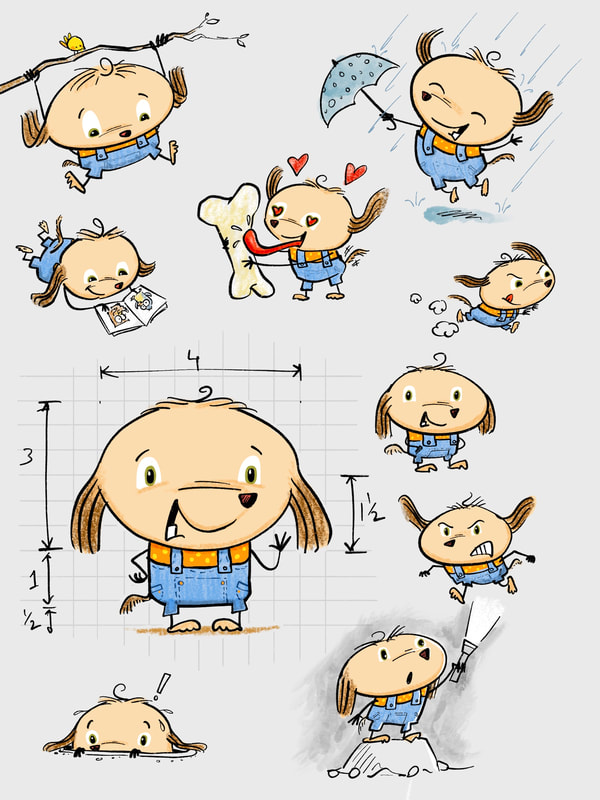
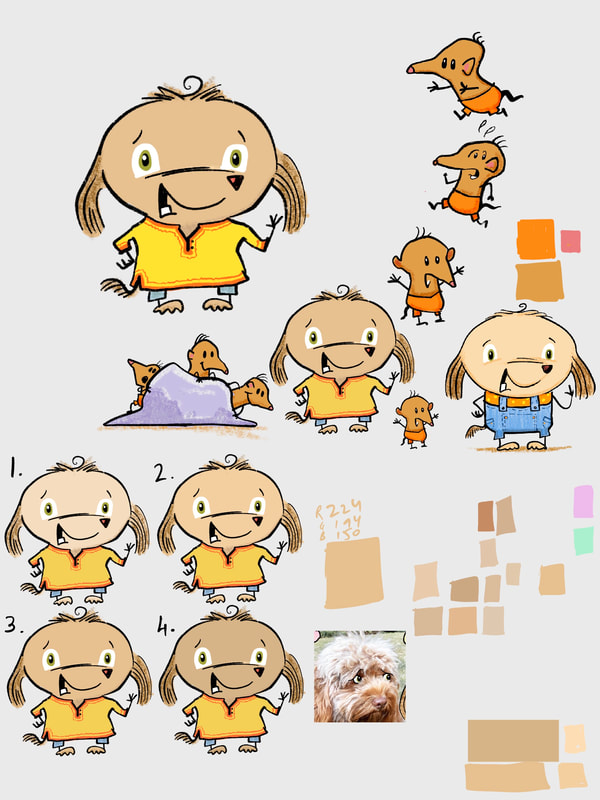
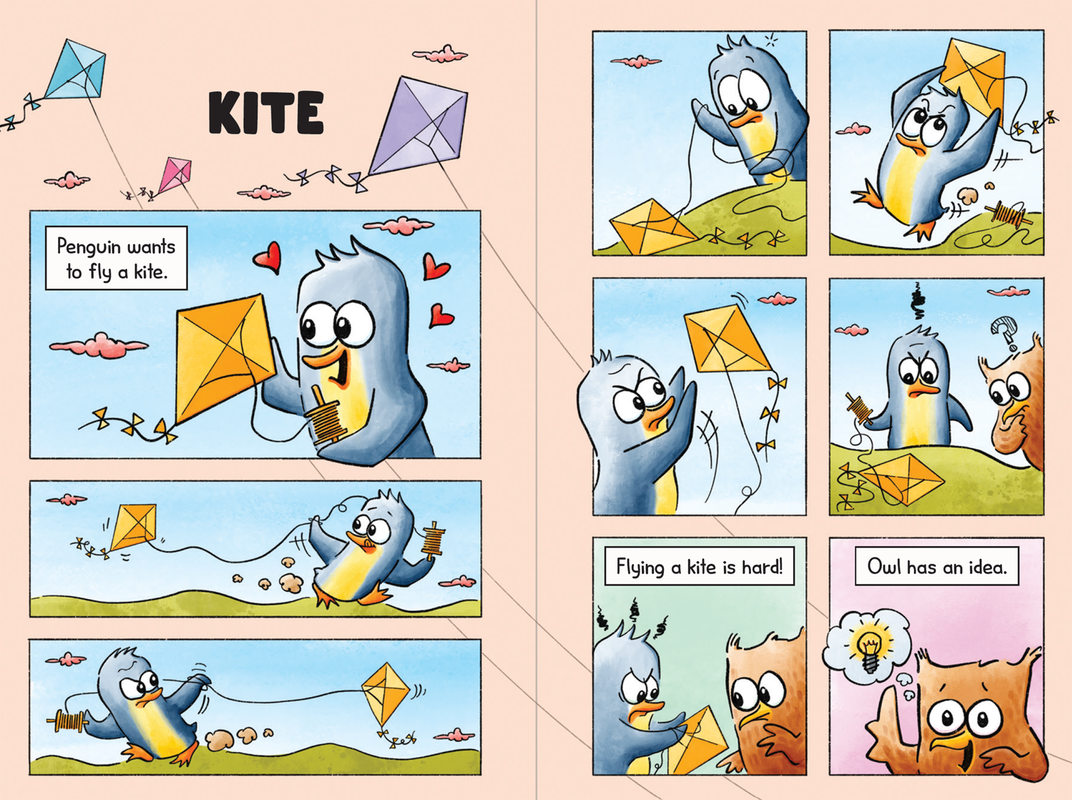
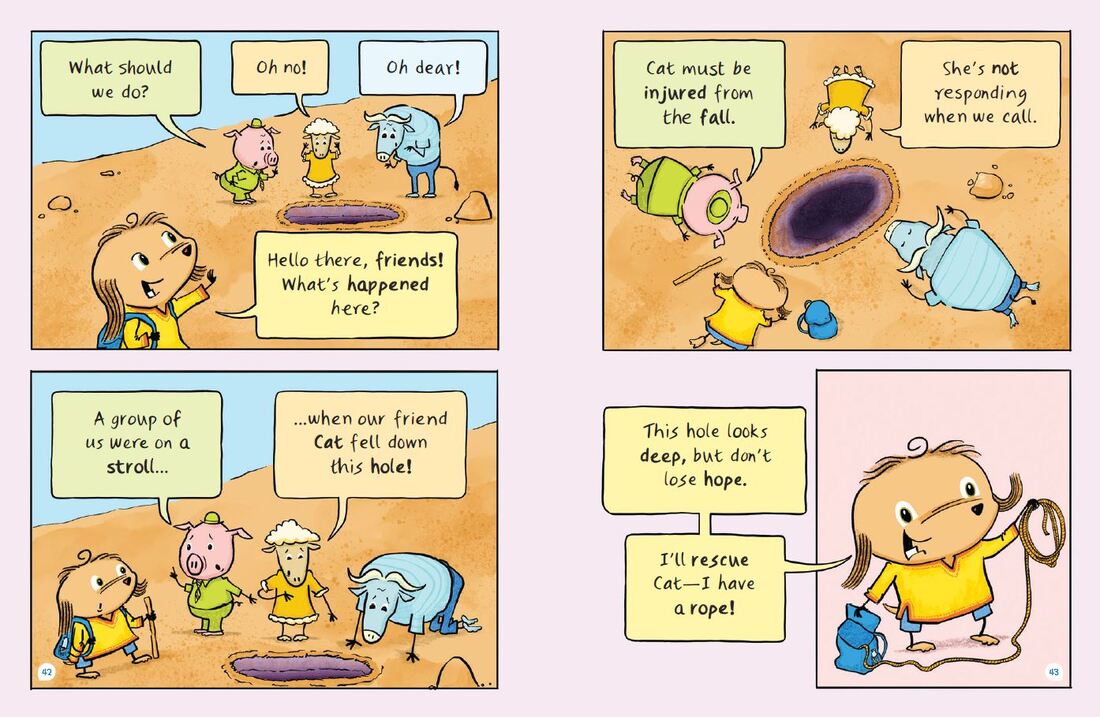
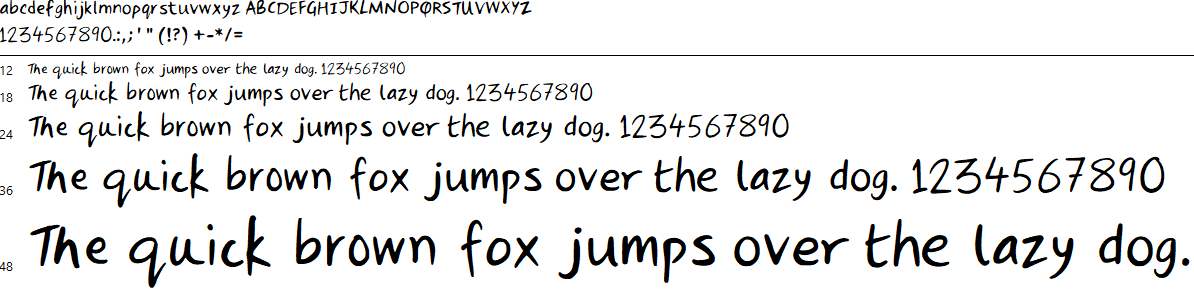
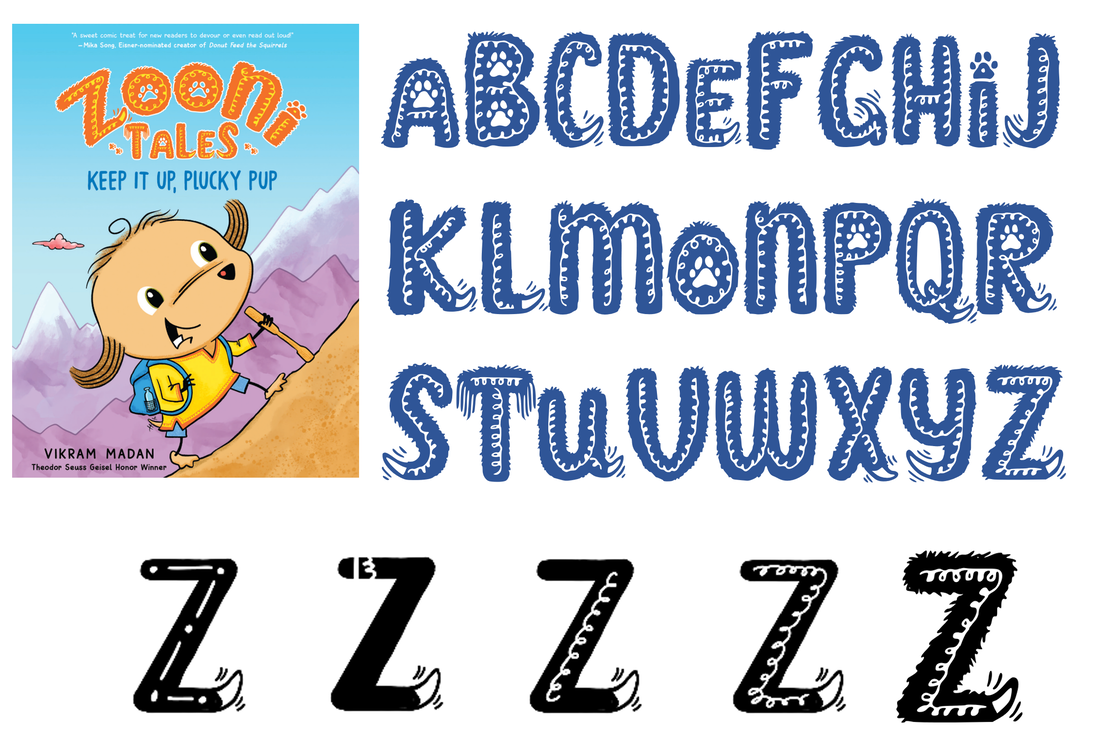
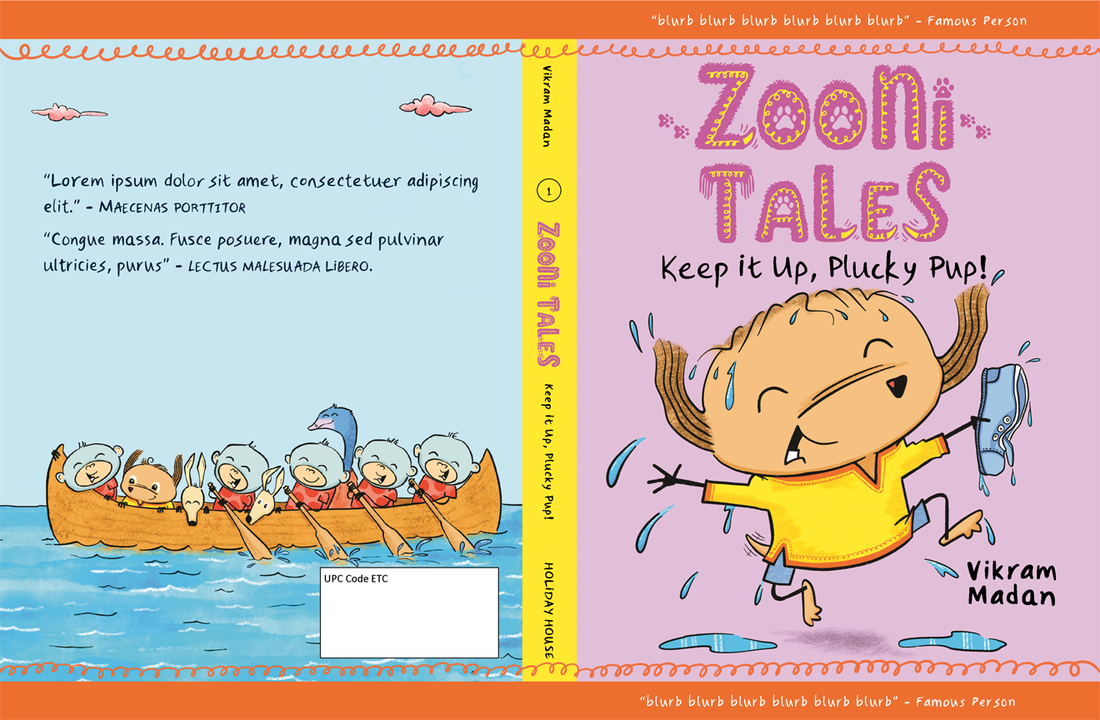
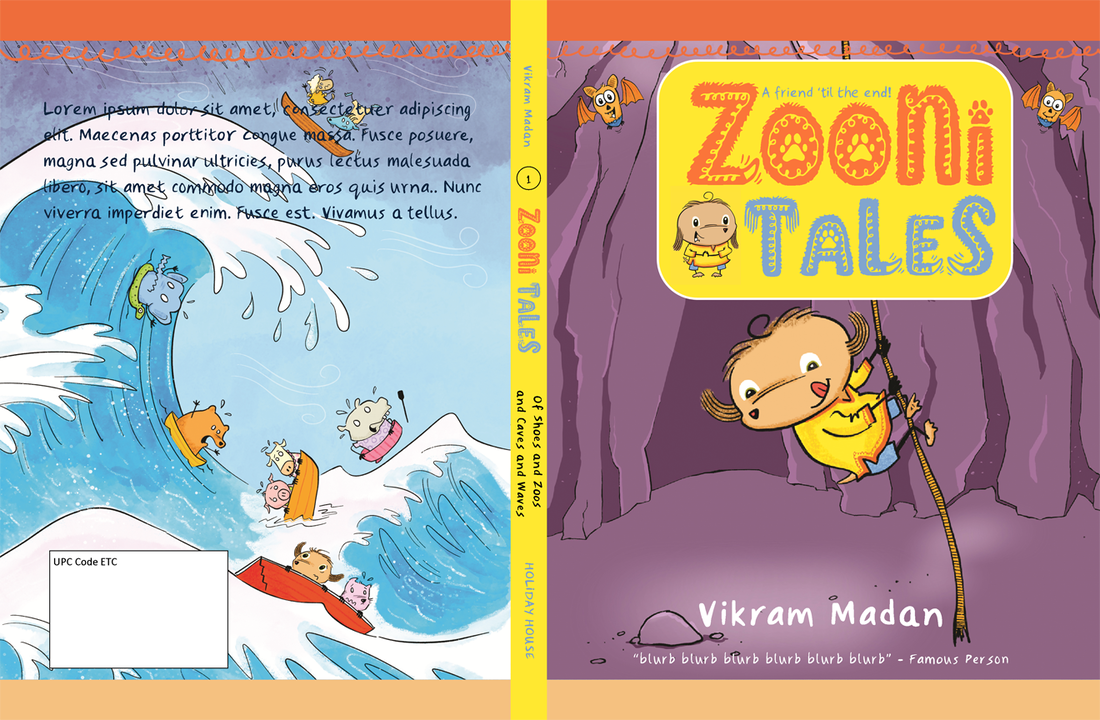
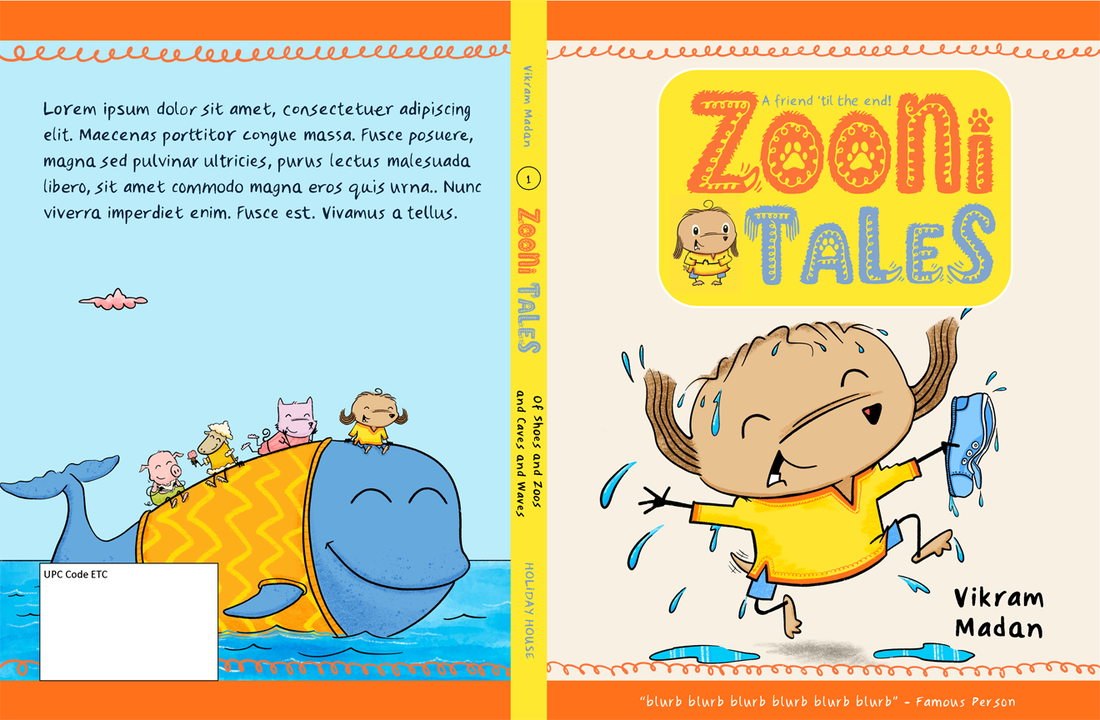
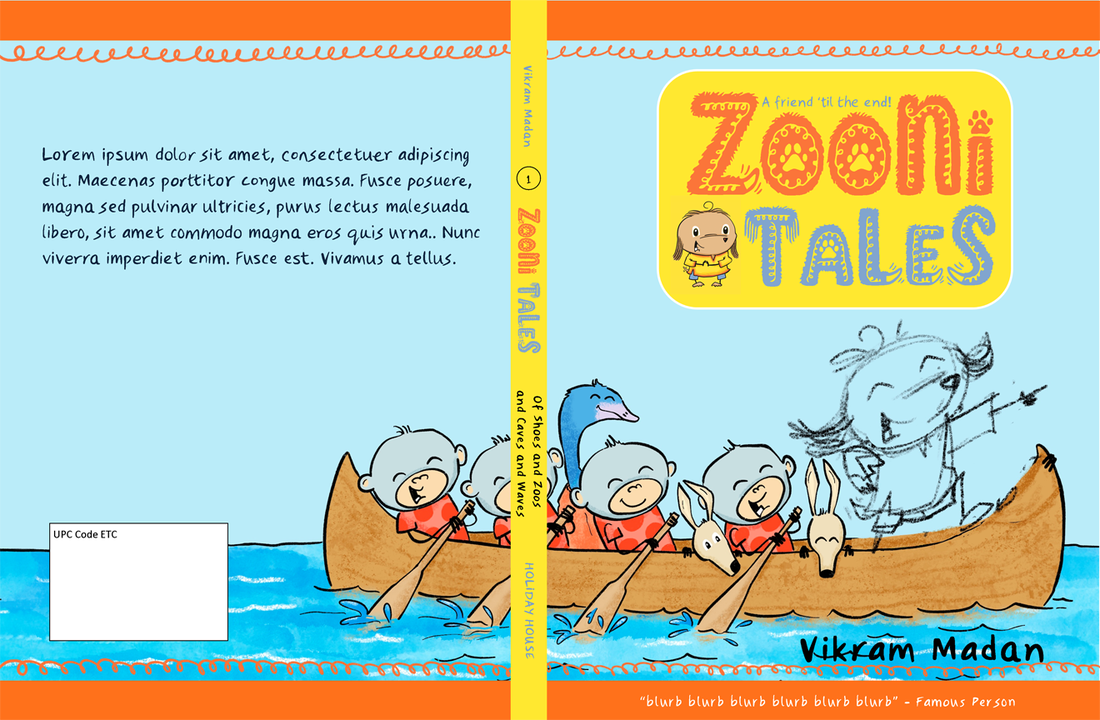
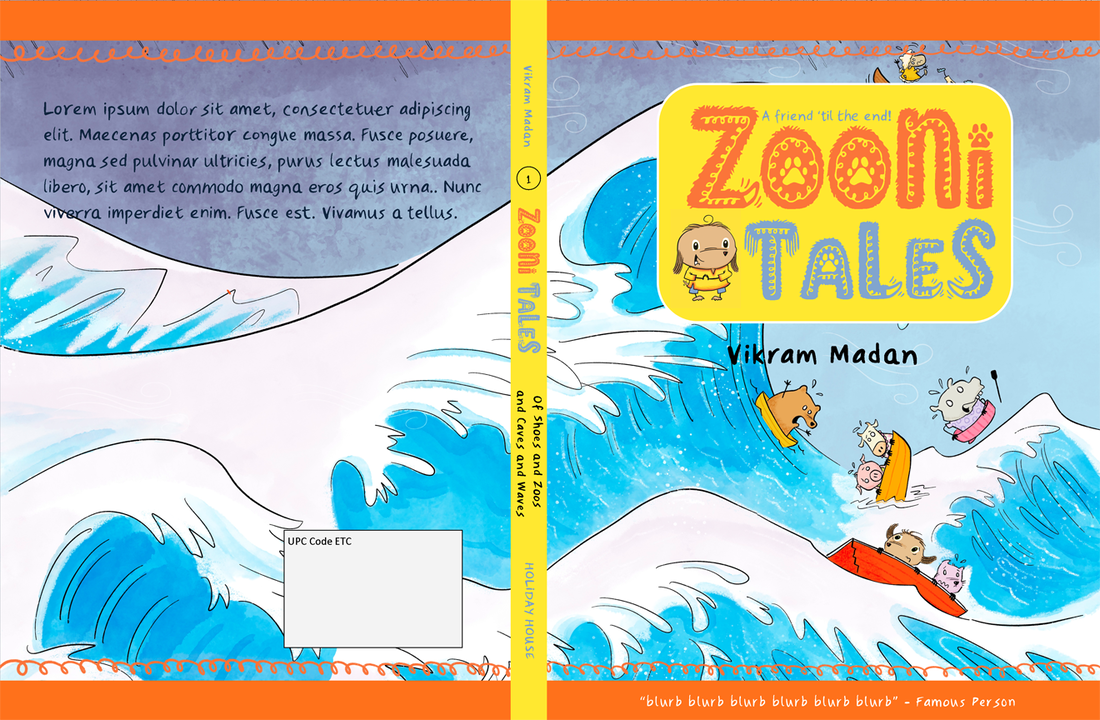
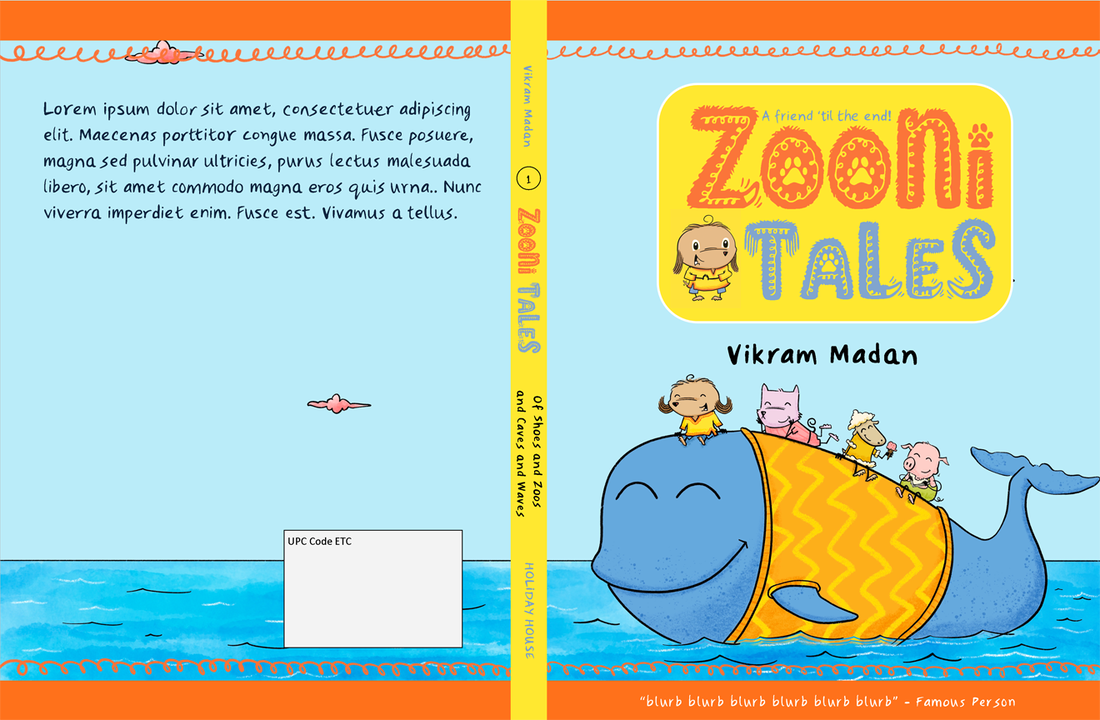
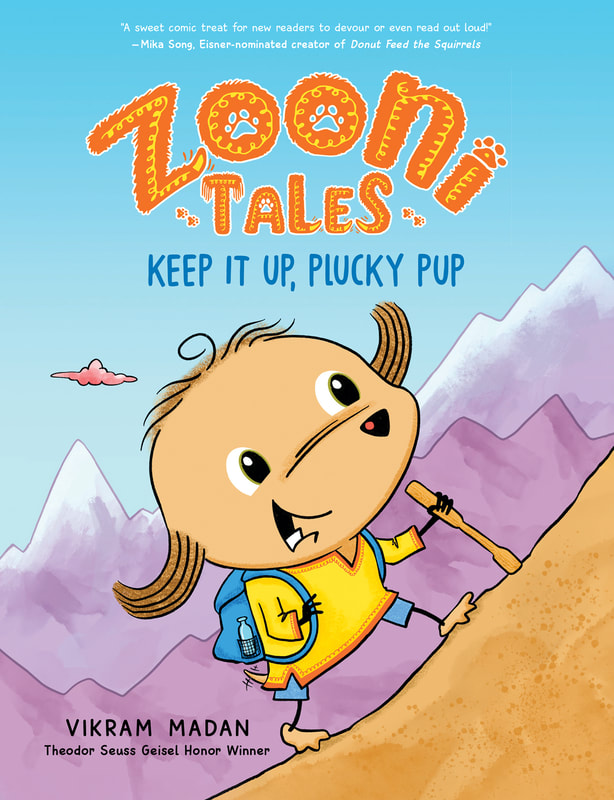
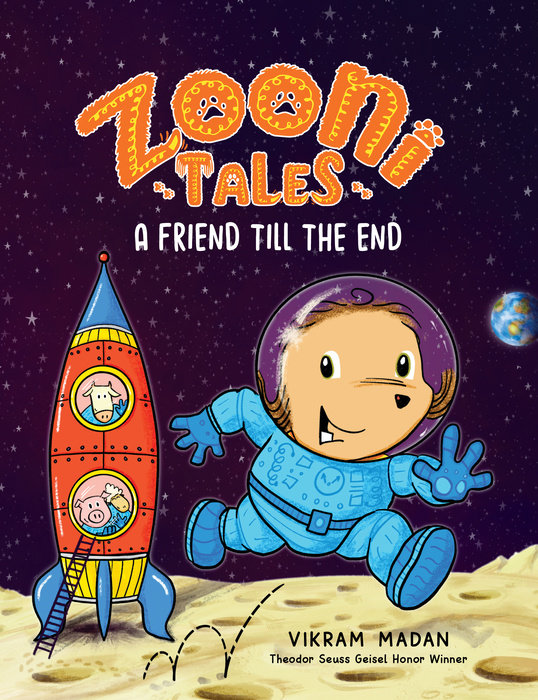
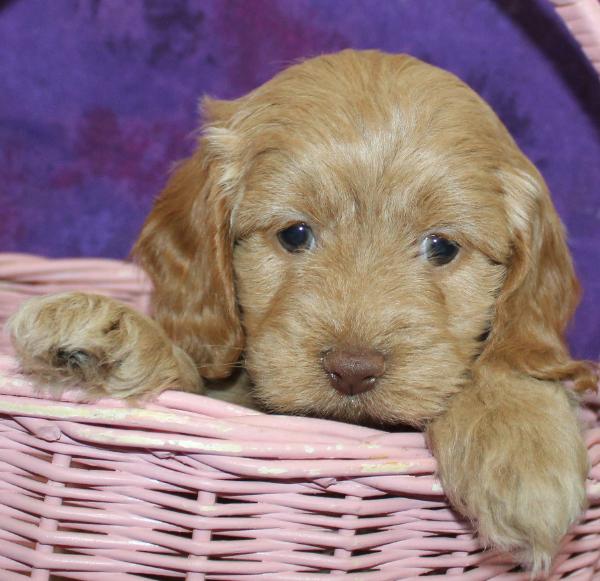
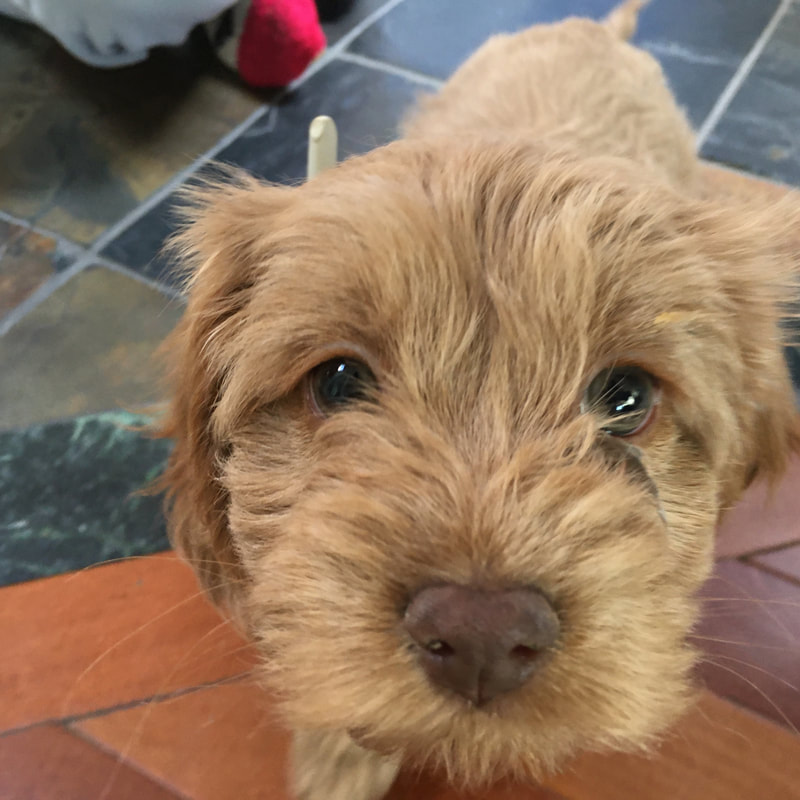
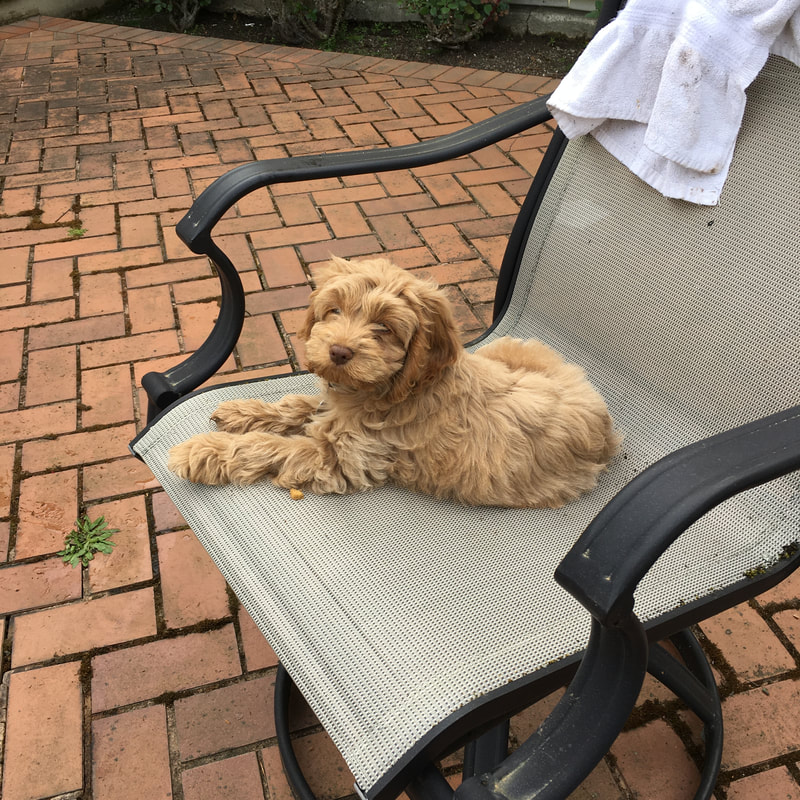
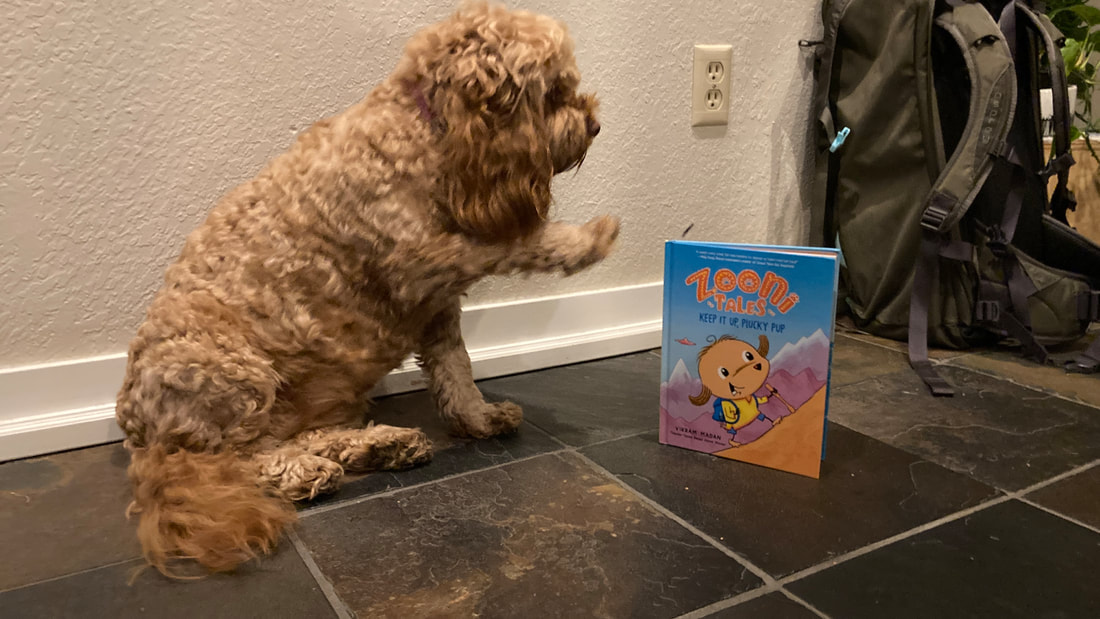
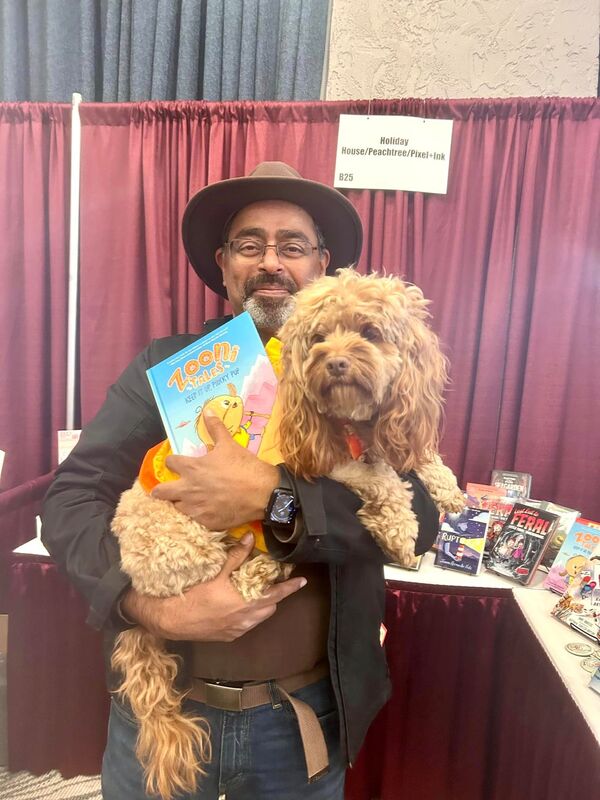
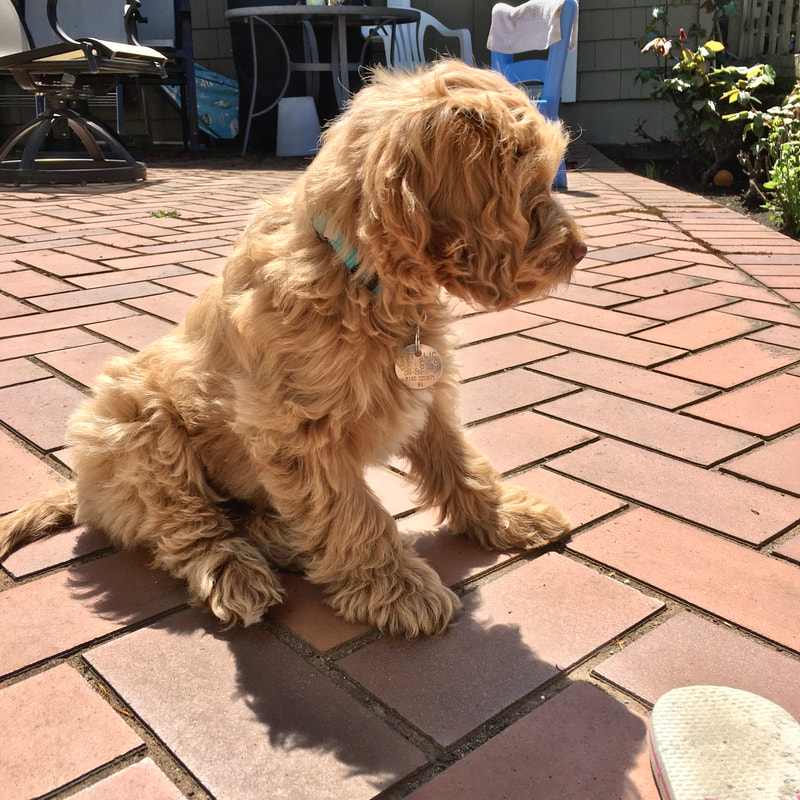
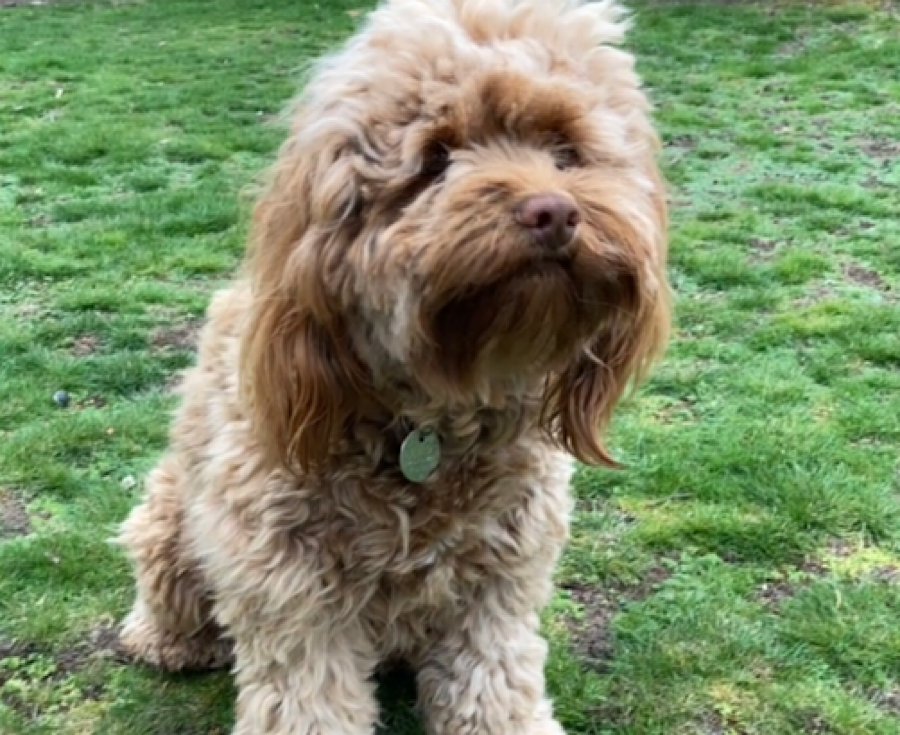
ZOONI TALES is a graphic-novel-in-rhyme for Ages 5-9 featuring the adventures of "a plucky pup with perseverance and pals". This book is loosely inspired by our Covid puppy, Zooni, who arrived in our lives in April of 2020, at 8 weeks old, adopted from a family who was giving her up. In the Kashmiri language of India, the word for moon is ZOON, and ZOONI is a cute pet name given to girl children. We named the pup ZOONI given how cute she was, and quickly discovered that not only was she quote, but she had the sweetest, friendliest, personality. I would often call the pup ZOONI MOONI, and one day I thought to myself, ZOONI AND MOONI sounds like the title of a book. Perhaps it could be a book about a dog and another character, maybe a cat? Once the idea was seeded in my mind, I tried to imagine who these characters would be. ZOONI was easy, since I could base the character on my pup's personality (friendly, kind, empathetic, helpful..), and the secondary character would develop based on playing off the character of ZOONI. To develop a book idea, I need two things: a character and a story. First I tried to see if I could come up with a cute looking character. Here are early sketches, trying to come up with a character who resembles Zooni: Once I had a character, I had to decide what kind of book this was going to be. Picture Book? Early Reader (like Bobo & Pup-Pup)? Graphic Novel (like Owl & Penguin)? Or something else? I decided to try a graphic novel early reader format, but, since I love poetry, maybe this one could be in rhyme (like a Dr. Seuss book). At this point in time, Zooni the pup was in her chewing phase - chewing everything including shoes. Shoe is an easy word to rhyme, so I thought of, maybe a story about a missing shoe? Maybe a shoe... lost at a zoo? Stolen by a kangaroo? Or a shrew? There seemed to be many rhyming possibilities here! Having written three poetry collections to date, I thought writing a story in rhyme would be easy. Boy was I wrong! Writing a story in conversational dialogue proved to be particularly challenging. A story needs to have an arc and progress logically. And the dialogue has to sound natural and conversational. Doing all that in rhyme turned out not to be easy at all. I was planning a 72 page book, but halfway through it I got stuck. I simply could not find the words to proceed. For about six months the story went absolutely nowhere. Finally I shared it with my critique group (you know who you are), and their excitement about the story compelled me to sit down and try to finish it. And one afternoon, in a flash of brilliance, I found myself writing the entire 36 pages I needed. This was followed by creating sketches for the story along with a few pages of finished art, which looked like this: Finally, when I had my 72 pages of sketches, and a few pages of 'finished art', I sent the manuscript to my agent, thinking this idea was good to go 'on submission'. But the first thing my agent asked was, did I have more stories with these characters? Because often editors want to know if the submission is an individual one-off book, or a potential series of books. Well obviously I did not have any more stories. So I brainstormed with myself and came up with this: My entire synopsis of this 'second story' was: "Zooni and Mooni are lost at sea and have to find their way back." I had no idea what was going to happen in this story, except vaguely imagine that sea creatures could help them on their quest. Luckily my agent liked the first story enough to send the proposal forward to my editor at Holiday House. The editor instantly loved the idea of doing a graphic novel in rhyme, because apparently teachers and librarians are constantly looking for alternatives to Dr. Seuss, and there just aren't that many of them out there. However my editor had a couple of requests. Would I consider removing the Mooni character and just having a single protagonist? Uhm, ok, i thought, I'm willing to try that and see what happens. That actually turned out to be a good call. When I rewrote Mooni the Cat out of the story, my Zooni character became stronger because they inherited all the good qualities of both characters. It also made the character more in charge of their own destiny. The next thing the editor asked for was to redesign the Zooni character and make them more adorable. My original design was intentionally simplified to save myself from the hard labor of drawing a complex character over and over again - the way Mickey Mouse's ears are always 2 circles flat on, which was a device Walt Disney reduce his drawing effort. I redesigned the character: Again, good call. I originally had the character in all-American overalls, but my daughter insisted the character should wear a 'Kurta' and also be browner, which seemed like good ideas to me, so I evolved the look further. Finally the editor asked if I would change the 72-page book to a 96-page book, and BTW, can you shrink this 72-page story to 30-pages, add 2 more full stories, and a couple of interspersed mini-comics. And create 2 books like this? Wait, what? It was hard enough putting that one 72-page story together in rhyme, and now I needed to write 5 more full stories, in rhyme, and add 4 short mini-comics? That seemed like quite a challenge, but I'm not one to back down from a challenge. With a fair bit of struggle, I managed to flesh out the 'Lost at Sea' story, and add a third story about a 'Cave Rescue'. This process took a long time as I would often get stuck trying to find the right words for the next thing the characters needed to say to move the story forward. Sometimes it would take days or weeks for me to write 2 lines of rhyme. Finally, once I had 96 pages of rhyming content for the first book, we inked a deal for two books, and talk about a leap of faith, the second book was entirely unconceived in any detail at that point of time. Next it was time to develop the finished art. In my previous OWL & PENGUIN books, I had strived for a very warm, soft, and organic look that would feel welcoming to a 3-year old reader, and put more focus on the art since there are very few words in those books. For ZOONI TALES, I decided to create a completely different look, maybe one closer to the comics that a slightly older reader might encounter, and one where the emphasis could remain on the rhyme. Here are 2 pages side-by-side so you can see the difference for yourself. While planning the book, I experimented with hundreds of commercially available fonts, trying to find one that felt just right for the book, but failed to find one that felt satisfactory. Finally, out of frustration, I decided to create a font from my own handwriting, using an online tool called Calligraphr. This took a fair bit of experimentation: But I am happy with how the font turned out, even though it is not perfect. It makes the book feel all the more personal to me. Similarly, not being able to find an ideal font for the title, I decided to create a Title font too. I ended up creating five different variations, and, with input from my editor, finally arrived at a font that is furry, has wagging tails, curly glyphs, and little pawprints. This is the font we used for the final book title: In parallel with working on the art for Book 1, I also needed to develop cover designs. Covers need to be finalized well before the book so that they can be plugged into the sales and marketing pipeline months ahead of the actual release. Here some of the cover ideas that did not make the cut: Drawing a graphic novel is an enormous amount of work. Every panel on every page has tons of painstaking, hand-drawn detail that most readers will never notice, but just can't be skimped over. Characters have to look consistent in every appearance, context has to be correct, you can't just leave things half-drawn. Environments have to look appropriate. There is always a phase in drawing graphic novels where you wonder why you signed up for this in the first place, and a phase where your body physically hurts from the repetitive process of continuous drawing. At one point I counted I had drawn 768 individual characters in this book, each one having to look correct and consistent! Anyway, after a marathon of effort the art was turned in. But then I was asked if I could create a cover for Book #2, so the publisher could print it on the back of Book #1. At this point Book #2 is not even written yet, let alone drawn, so I had to scramble to finish a story for Book #2, draw the internal art for it, and then base the cover off the internal art, another speed-marathon in itself. Here are the covers for Book #1 and Book #2, side by side: Yes, ZOONI goes to space! One of my favorite comics growing up was TINTIN: EXPLORERS ON THE MOON. I simply could not pass up an opportunity to do a moon story! :) ZOONI TALES #1 released October 2023. ZOONI TALES #2 releases June 2024. Look for both books everywhere books are sold. Here is a quick flip-through ZOONI #1 to give you an idea of the book. And if you're not convinced this is a fun book for kids, watch this review from a 5-year old who gives ZOONI #1 a "ONE HUNDRED THUMBS UPS!" And finally, here are a few photos of Zooni the pup, from the time when I first conceived the book, to the time the book finally came out, three years later:
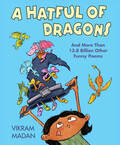
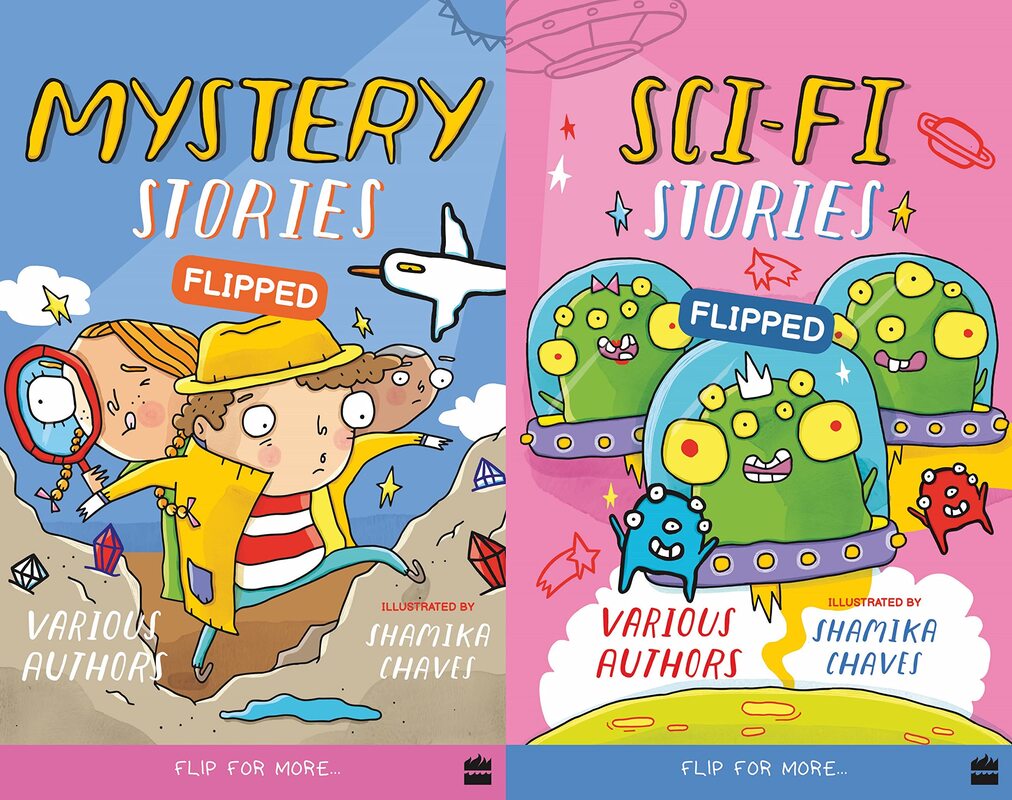
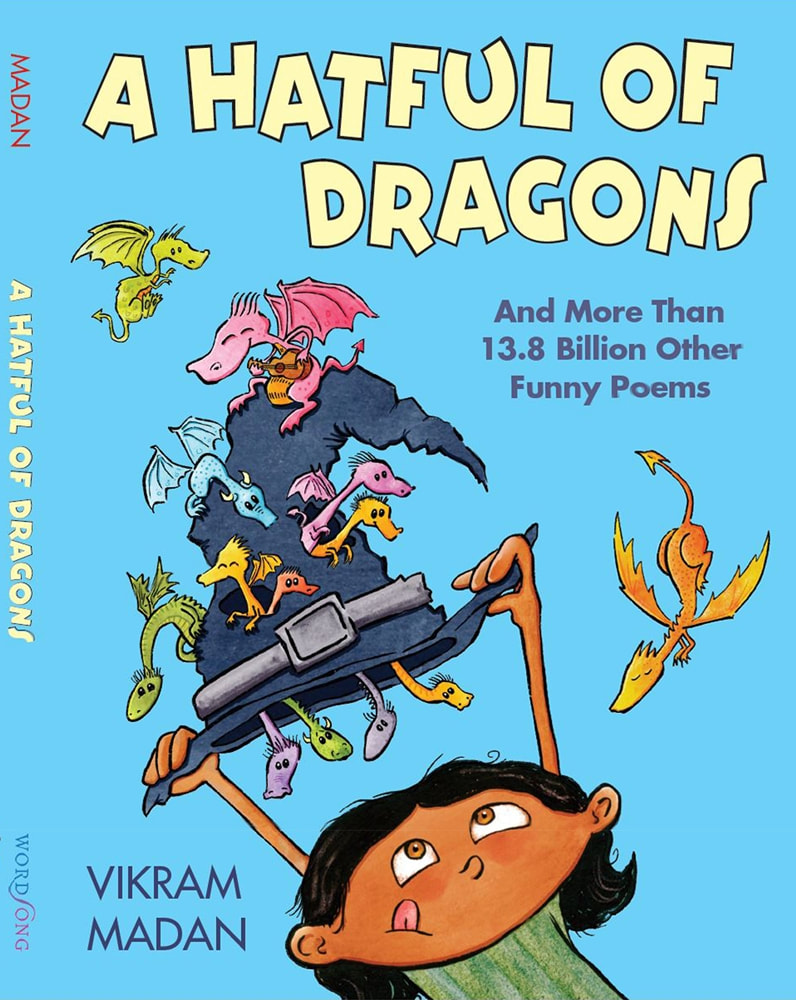
Here is a free download of an educator's guide to 'A HATFUL OF DRAGONS' showing how to use this book to spur creativity, comprehension, and help kids develop poetry and critical reading skills. Click this link to download the guide PDF file. This is a great resource for teachers, parents, and educators. Learn more about the book here. Flipped 4 Sci-Fi/Mystery is a new anthology for kids published by Harper Collins India. This unique format allows the kids to flip the book to access twice as much fun content. I have a longer science-fiction poem in this book, titled 'Dino-Mites'. Check it out if you are in India! Available from Indian bookstores and also here.
How delightful that educators are able to find ways to use my book A HATFUL OF DRAGONS in the classroom.
Here are some examples I found on the web: 1. A Hatful of Dragons - Poetry Discussion Questions - Google Slides™ Compatible From the Website: "This product includes 44 comprehension, literary instruction, reflection, critical thinking, discussion, and composition prompts on cards for studying the poetry book A Hatful of Dragons written and illustrated by Vikram Madan. This book is a highly engaging and humorous poetry collection that students of all ages will enjoy.
2. A Hatful of Dragons Trivia Questions From the website: "Attached are 120 trivia questions and answers broken up by chapter for A Hatful of Dragon by Vikram Madan to be used for book battle, book club, guided reading groups, literature circles, comprehension checks, etc." If you are looking for ways to bring poetry into the classroom, the above guides might be helpful. Note: I have no affiliation with the content creators listed here. I am pleased to share that the American Library Association ALSC has picked my 'A HATFUL OF DRAGONS' book as a 2021 Summer Reading List Selection, the only poetry book to make the list for K-2 students.
See the full lists here: www.ala.org/alsc/publications-resources/book-lists/2021-summer-reading-list
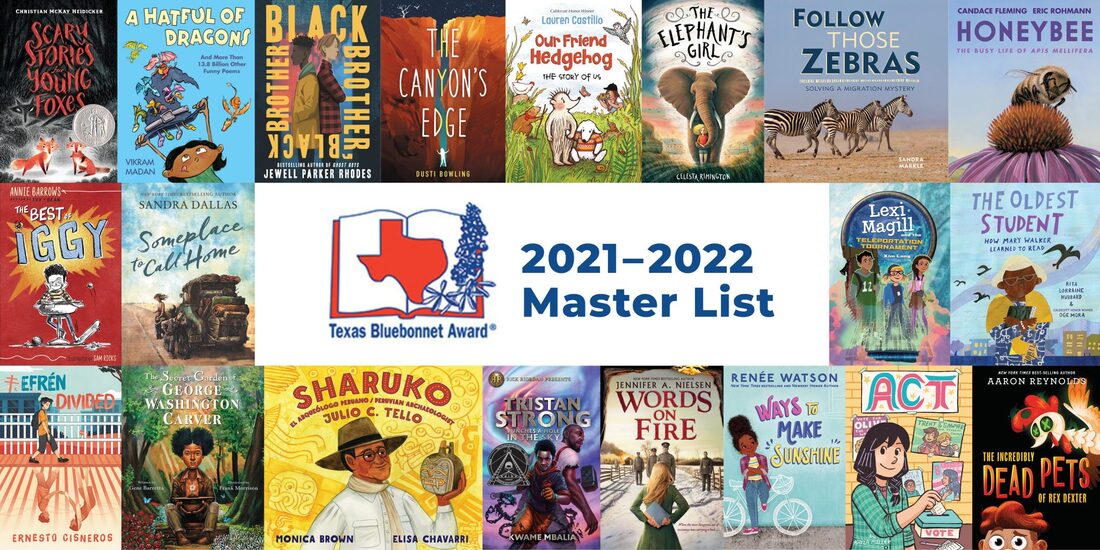
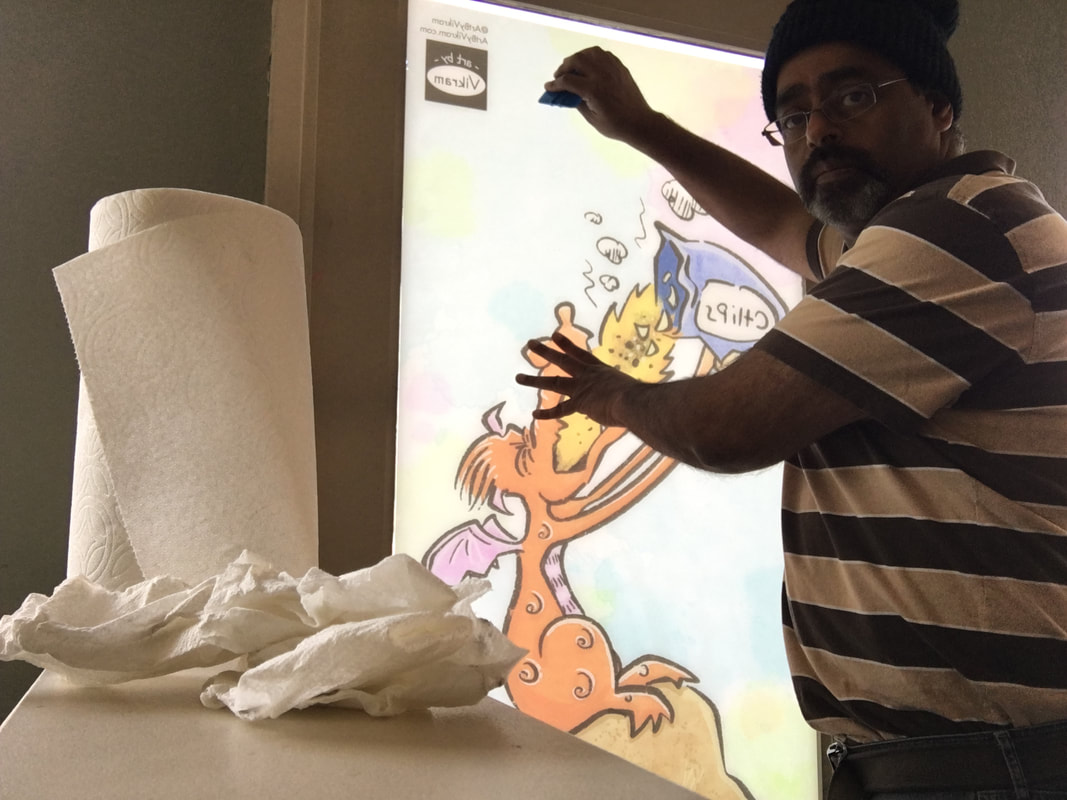
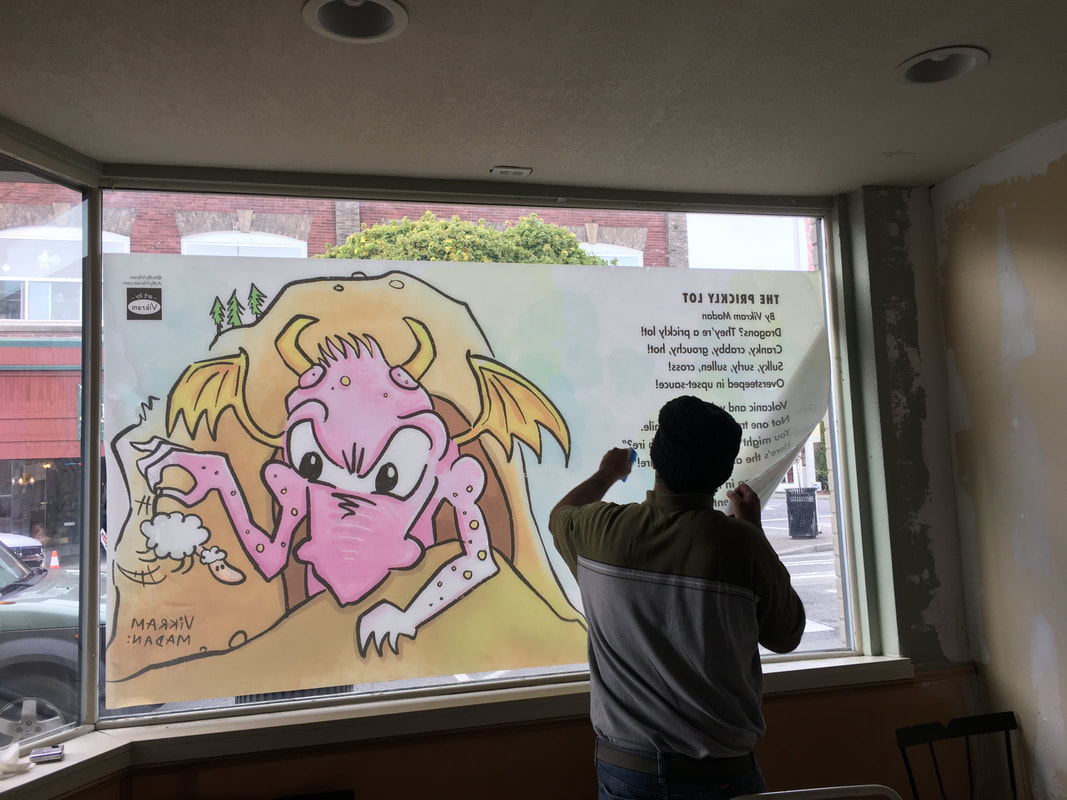
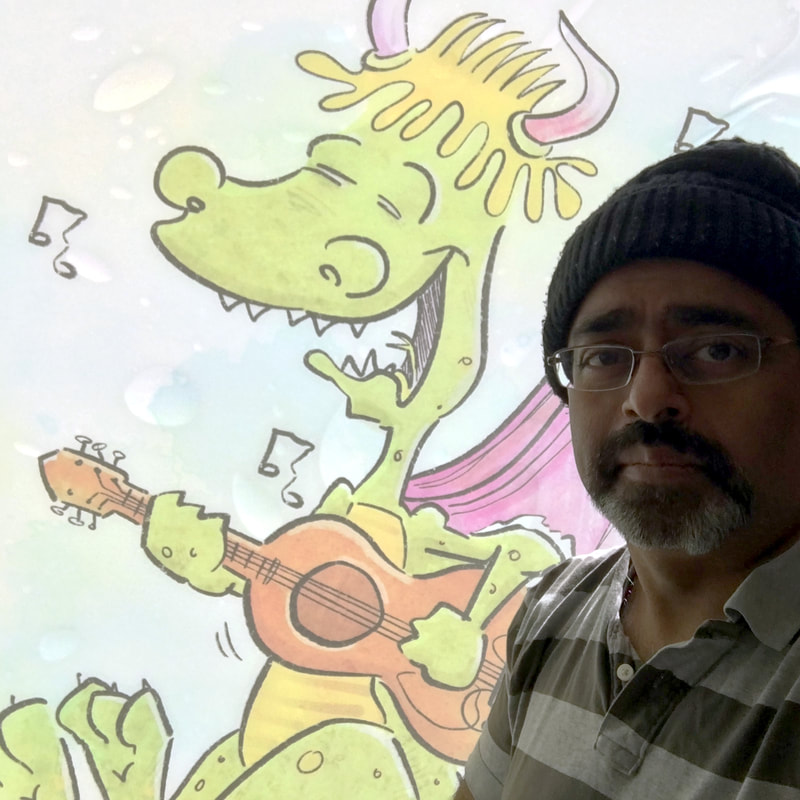
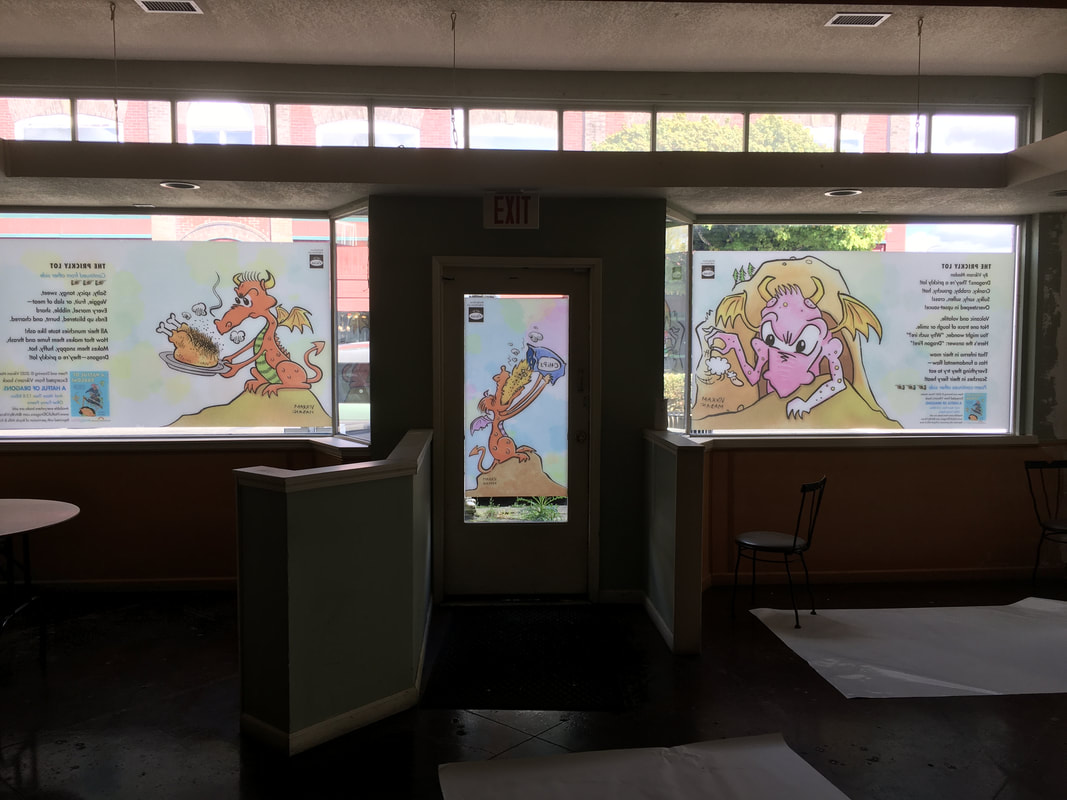
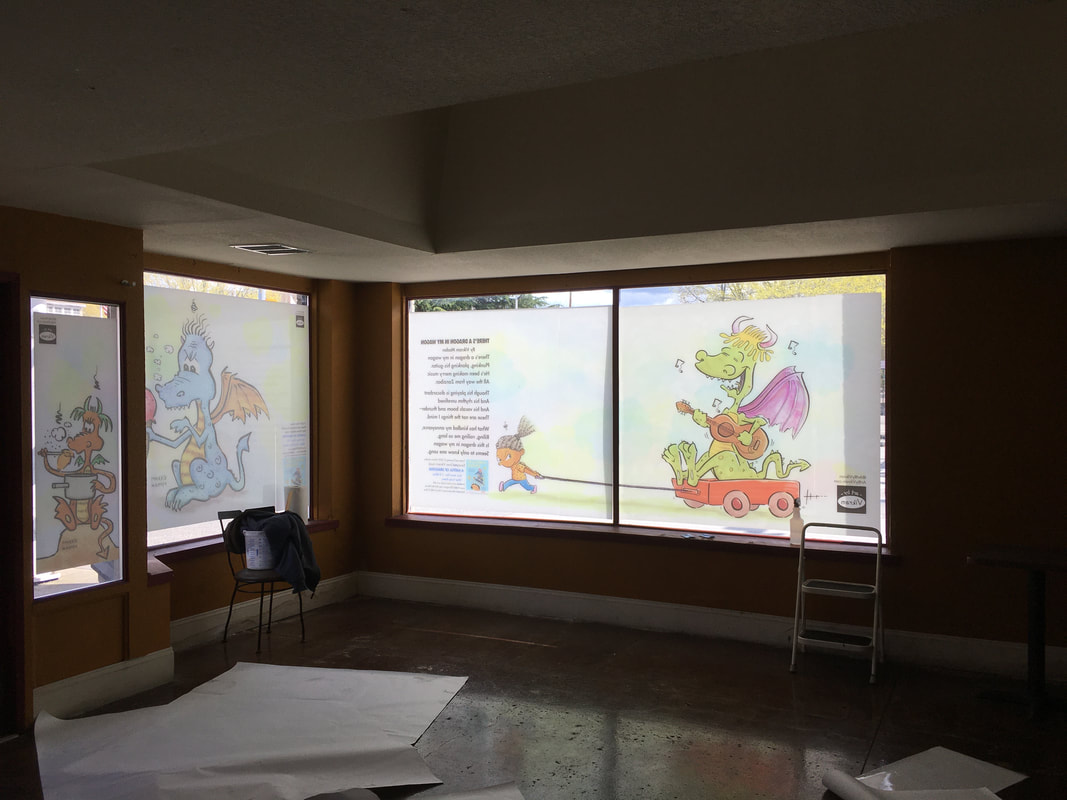
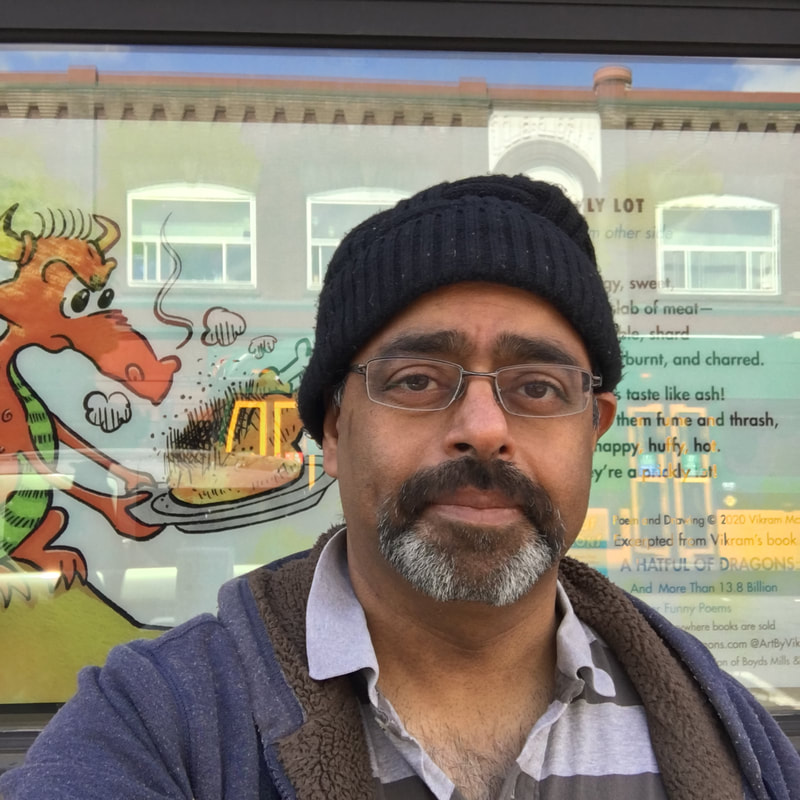
Woohoo - My book, A Hatful of Dragons, has been selected for the 2021-2020 Texas Bluebonnet Award Master List - one of the most distinguished reading lists for kids across the United States! This is a rare and prestigious honor - only 20 books are selected for this list every year, and kids in Texas in grades 3, 4, 5, and 6 are asked to read books from this list 'just for fun' - as a way to promote reading and literacy. Last year over 130,000 kids participated in this reading program! Read more about it here: https://txla.org/news/2021-2022-texas-bluebonnet-award-master-list-released/ “The Texas Bluebonnet list is a prestigious list composed of titles from diverse, imaginative and creative authors. The titles on the list offer students in grades 3-6, quality literature that is both fiction and nonfiction to be read for pleasure,” said Jacqui Bridges-Sheppherd, TBA coordinator. “Titles were chosen that allow the books to act as windows into reality and imaginary worlds while offering a view into someone else’s experiences; and mirrors that reflect a reader’s own life or culture while building their identity. This literature also takes the student’s interests in mind and provides positive reviews for parents, teachers and librarians.” The City of Renton WA invited me to participate in their 'Dragon Days' celebrations by creating a public art display in a vacant storefront. I decided to highlight some of the dragon art and poems from my book A Hatful of Dragons and created a large sized display 5' high and about 80' long featuring both poetry and art. This video shows it best: The drawings in my book are pretty small, just a few inches max, so I had to redraw the drawings and then add color. These were then sent to a sign printer and printed out as large size window clings, which I then manually installed for the display. Putting up these clings was harder than it looks - not for the faint hearted!
|
Categories
All
Archives
October 2025
|


RSS Feed